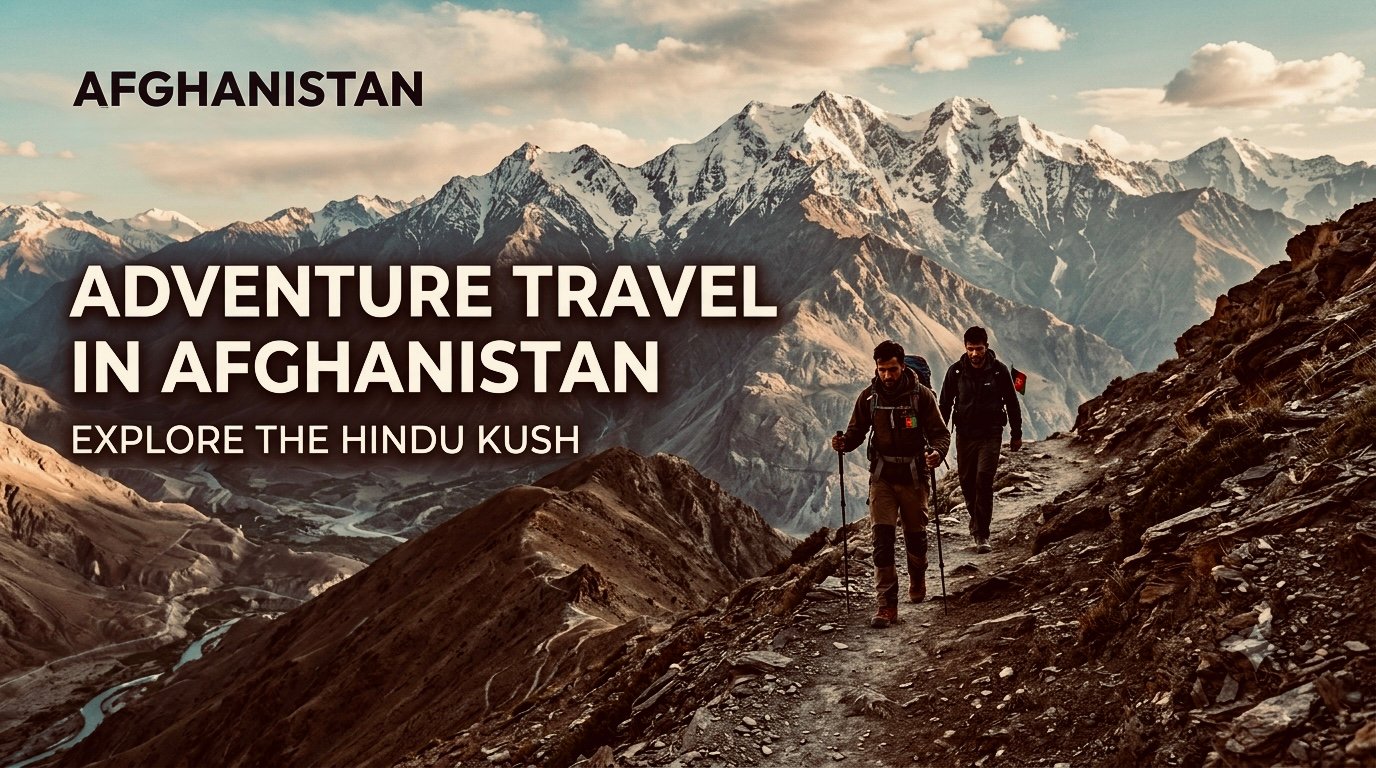
Adventure travel in Afghanistan offers something that has become increasingly rare in today’s world: genuine exploration. Beyond its ancient cities and cultural landmarks lies a country of towering mountains, high-altitude valleys, crystal-clear lakes, and remote communities where centuries-old traditions remain part of everyday life. For travelers who seek authentic experiences rather than crowded tourist attractions, Afghanistan presents opportunities unlike almost anywhere else.
The country is home to some of Asia’s most spectacular landscapes. Snow-capped peaks stretch across the Hindu Kush, alpine meadows bloom during spring and summer, and rugged trails connect villages that have welcomed travelers for generations. Whether you’re interested in trekking through mountain valleys, camping beneath star-filled skies, photographing dramatic scenery, or learning about local cultures along historic trade routes, Afghanistan rewards visitors with unforgettable experiences.
Adventure travel here requires thoughtful planning. Conditions can vary between provinces, travel regulations may change, and some destinations require local permits or experienced guides. Visitors who prepare carefully and travel responsibly are more likely to enjoy a safe, meaningful, and memorable journey.
This guide explains everything you need to know before planning an adventure trip to Afghanistan, including where to go, when to visit, what to pack, safety considerations, cultural etiquette, and practical travel advice. Whether you’re an experienced mountaineer or simply looking for an off-the-beaten-path destination, this guide will help you plan your adventure with confidence.
Quick Answer
Afghanistan is one of Asia’s most rewarding destinations for adventure travelers, offering world-class trekking, dramatic mountain scenery, remote valleys, alpine lakes, and authentic cultural experiences. The best seasons for outdoor adventures are generally spring (April to June) and autumn (September to October), when temperatures are pleasant and many mountain routes are accessible. Because travel conditions and local regulations can change, visitors should research their destination carefully, obtain any required provincial permits, and travel with knowledgeable local guides whenever possible.
Adventure means different things to different people. For some, it is climbing high mountains. For others, it is discovering cultures that remain largely untouched by mass tourism. Afghanistan combines both.
Unlike many popular adventure destinations where trails are crowded and attractions have become heavily commercialized, much of Afghanistan still offers a true sense of exploration. Travelers often spend entire days surrounded by untouched landscapes, meeting local families, crossing mountain passes, and visiting villages where hospitality remains a deeply rooted tradition.
A Land Shaped by Mountains
Around three-quarters of Afghanistan consists of mountainous or rugged terrain. The mighty Hindu Kush dominates the country’s geography, creating countless valleys, rivers, alpine meadows, and high passes. These mountains influence everything from local architecture and agriculture to regional traditions and cuisine.
For hikers and outdoor enthusiasts, this geography provides an extraordinary variety of landscapes. One journey may include turquoise lakes, rocky canyons, dense forests, rolling grasslands, and snow-covered peaks—all within the same province.
Adventure Beyond Hiking
While trekking is the country’s best-known outdoor activity, Afghanistan offers many other adventures, including:
· Multi-day mountain expeditions
· High-altitude camping
· Wildlife observation
· Photography tours
· Scenic road expeditions
· Horse trekking in selected regions
· Cultural village experiences
· Historic Silk Road exploration
· Winter skiing in suitable mountain areas
· Off-road exploration through remote valleys
Many travelers discover that the combination of outdoor adventure and cultural immersion becomes the highlight of their journey.
Authentic Cultural Encounters
One of Afghanistan’s greatest strengths as an adventure destination is the opportunity to experience local life naturally rather than through staged tourism.
Mountain villages often preserve customs that have existed for centuries. Visitors may be invited to share tea, enjoy traditional meals, or learn about local farming practices. Respectful interaction with local communities enriches any adventure while supporting sustainable tourism.
Rather than simply passing through beautiful landscapes, travelers gain a deeper understanding of Afghanistan’s cultural diversity and regional traditions.
Extraordinary Natural Diversity
Afghanistan’s landscapes vary far more than many visitors expect.
Depending on the region and season, travelers may encounter:
· Towering mountain ranges
· Crystal-clear alpine lakes
· Deep river valleys
· Dense cedar forests
· High-altitude grasslands
· Rocky deserts
· Snow-covered peaks
· Wildflower-filled meadows
· Historic mountain villages
· Ancient caravan routes
This remarkable diversity allows visitors to experience several different environments during a single itinerary.
Adventure travel in Afghanistan is about more than reaching a destination. It is an opportunity to travel responsibly, support local communities, and experience landscapes that remain among the least explored by international tourism.
Hiring local guides, staying in community-run guesthouses where available, purchasing locally made products, and respecting cultural traditions all contribute to more sustainable tourism while creating more meaningful travel experiences.
For many visitors, these personal connections become just as memorable as the mountains themselves.
Is Adventure Travel in Afghanistan Right for You?
Afghanistan is best suited to travelers who:
· Enjoy outdoor activities and nature.
· Appreciate authentic cultural experiences.
· Are comfortable traveling in developing destinations.
· Value flexibility and careful planning.
· Prefer meaningful experiences over luxury tourism.
· Respect local customs and traditions.
· Are prepared to adapt to changing travel conditions.
Those who arrive with realistic expectations, patience, and curiosity often discover one of the world’s most distinctive adventure destinations.
Key Facts at a Glance
· Best for: Trekking, hiking, camping, mountain expeditions, photography, and cultural exploration.
· Ideal travel seasons: Spring (April–June) and autumn (September–October).
· Terrain: High mountains, valleys, alpine lakes, forests, and deserts.
· Suitable for: Beginner hikers on guided routes, experienced trekkers, photographers, nature lovers, and cultural travelers.
· Local guides: Strongly recommended for most adventure itineraries, especially in remote areas.
· Travel permits: Some provinces require additional travel permits beyond a valid Afghan visa.
· Responsible travel: Respect local customs, protect the environment, and support local communities whenever possible.
Best Adventure Experiences in Afghanistan
Afghanistan’s rugged landscapes make it one of Asia’s most rewarding destinations for outdoor enthusiasts. From multi-day mountain treks to peaceful alpine lakes and remote valleys, the country offers a wide range of adventures for travelers seeking authentic experiences away from mass tourism.
Unlike destinations where outdoor activities are heavily commercialized, many adventures in Afghanistan remain raw and natural. Visitors should be prepared for changing conditions, basic facilities in remote areas, and the importance of traveling responsibly with knowledgeable local guides.
Trekking Through the Hindu Kush
Trekking is the most popular adventure activity in Afghanistan, and for good reason. The country’s extensive mountain ranges offer trails that pass through dramatic valleys, traditional villages, high-altitude meadows, and spectacular viewpoints.
Many routes follow ancient footpaths that local communities have used for generations. Along the way, trekkers often encounter shepherds, farmers, and welcoming villagers who are happy to share a cup of tea and stories about their region.
Popular trekking areas include:
· The Hindu Kush Mountains
· The Wakhan Corridor
· Badakhshan Province
· Bamyan Province
· Nuristan Province
Treks range from easy day hikes to challenging expeditions lasting a week or more. Altitude, weather, and trail conditions vary significantly, so careful planning is essential.
Hiking Around Band-e Amir
Band-e Amir National Park is Afghanistan’s first national park and one of the country’s most breathtaking natural attractions.
While many visitors come to admire its famous turquoise lakes, the surrounding hills also offer excellent hiking opportunities. Short walking trails provide panoramic views over the lakes, while longer routes explore quieter parts of the park with fewer visitors.
Spring and autumn are generally the most comfortable seasons for hiking, offering pleasant temperatures and excellent visibility.
Visitors should remain on established paths where possible and help preserve the fragile natural environment by leaving no trace.
Discovering the Wakhan Corridor
Wakhan Corridor is one of the most remote and extraordinary regions in Central Asia.
Bordered by Tajikistan, Pakistan, and China, this narrow mountain corridor is known for its dramatic scenery, traditional communities, and vast wilderness.
Adventure travelers visit the Wakhan to experience:
· Multi-day trekking
· High-altitude camping
· Mountain photography
· Wildlife observation
· Traditional Wakhi villages
· Remote river valleys
Because of its remoteness, journeys into the Wakhan require detailed planning, sufficient supplies, and experienced local guides. Travel times can be long, but the reward is an unforgettable wilderness experience.
Exploring Nuristan’s Forested Mountains
Nuristan Province offers a very different landscape from much of Afghanistan.
Instead of dry mountain scenery, visitors find forest-covered slopes, fast-flowing rivers, and picturesque villages built into steep hillsides.
Adventure activities include:
· Forest hiking
· River valley walks
· Nature photography
· Birdwatching
· Cultural village visits
The combination of green landscapes and unique local traditions makes Nuristan one of Afghanistan’s most distinctive destinations for adventurous travelers.
Camping Under Afghanistan’s Night Sky
Camping allows visitors to experience Afghanistan’s natural beauty long after day-trippers have departed.
Remote valleys and mountain meadows provide peaceful camping locations where travelers can enjoy spectacular sunsets and remarkably clear night skies.
Responsible camping is essential.
Visitors should:
· Camp only where permitted.
· Respect private land and local communities.
· Carry out all rubbish.
· Avoid damaging vegetation.
· Minimize campfire use unless specifically permitted and safe.
Traveling with experienced guides helps identify suitable campsites and ensures that local customs are respected.
Mountaineering and High-Altitude Expeditions
Afghanistan’s mountains attract experienced climbers looking for challenging terrain and remote expeditions.
The Hindu Kush contains numerous peaks that remain relatively unexplored compared to other famous mountain ranges.
Mountaineering in Afghanistan requires:
· Excellent physical fitness.
· Previous high-altitude experience.
· Specialized equipment.
· Careful route planning.
· Local logistical support.
· Flexible scheduling due to weather.
These expeditions are generally recommended only for experienced mountaineers.
Winter Adventures and Skiing
Although Afghanistan is not widely known as a ski destination, several mountainous regions receive significant snowfall during winter.
Community-based skiing events and backcountry skiing have gradually attracted adventurous visitors interested in experiencing Afghanistan’s winter landscapes.
Winter travel requires additional preparation because snow may affect roads, mountain passes, and accessibility.
Travelers should carefully monitor weather conditions and seek local advice before planning winter expeditions.
Wildlife and Nature Observation
Afghanistan supports a surprising variety of wildlife thanks to its diverse geography.
Nature enthusiasts may encounter:
· Golden eagles
· Himalayan vultures
· Ibex
· Marmots
· Various migratory birds
· Native alpine plants
Wildlife sightings are never guaranteed, but patient travelers exploring remote mountain regions have the best chances.
Binoculars, telephoto lenses, and respect for wildlife are recommended.
Scenic Road Trips and Overland Adventures
Not every adventure requires hiking boots.
Afghanistan’s mountain roads offer unforgettable journeys through valleys, historic villages, dramatic passes, and ever-changing scenery.
Popular overland experiences include traveling between:
· Kabul and Bamyan
· Mazar-e-Sharif and the Charkent Valley
· Bamyan and Band-e Amir
· Faizabad and the Wakhan region
· Herat and surrounding mountain districts
Road conditions vary considerably depending on weather and maintenance, making experienced local drivers highly valuable.
Cultural Adventure Experiences
Some of Afghanistan’s greatest adventures happen through cultural exchange rather than physical challenge.
Travelers may have opportunities to:
· Visit traditional mountain villages.
· Learn about local farming methods.
· Watch artisans practice traditional crafts.
· Enjoy homemade regional cuisine.
· Attend seasonal community celebrations where appropriate.
· Explore ancient caravan routes and historical landmarks.
These experiences provide meaningful insight into daily life while supporting local communities through responsible tourism.
Choosing the Right Adventure for Your Experience Level
Afghanistan offers outdoor activities suitable for different levels of experience.
Beginner travelers may enjoy:
· Scenic walks
· Guided day hikes
· Band-e Amir viewpoints
· Cultural village visits
· Short nature trails
Intermediate adventurers can consider:
· Multi-day trekking
· Camping
· Moderate mountain hikes
· Remote valley exploration
Experienced adventurers may pursue:
· High-altitude trekking
· Mountaineering
· Extended wilderness expeditions
· Backcountry skiing
· Remote overland journeys
Selecting an itinerary that matches your fitness, experience, and available time helps ensure a safer and more enjoyable trip.
Adventure Highlights
If you’re visiting Afghanistan for outdoor exploration, don’t miss these unforgettable experiences:
· Trek through the breathtaking Hindu Kush Mountains.
· Hike around the turquoise lakes of Band-e Amir National Park.
· Explore the remote wilderness of the Wakhan Corridor.
· Walk through the forested valleys of Nuristan.
· Camp beneath exceptionally clear mountain skies.
· Experience authentic village life in remote regions.
· Photograph dramatic landscapes throughout the changing seasons.
· Discover ancient routes once traveled by merchants along the Silk Road.
Afghanistan rewards travelers who approach it with curiosity, patience, respect, and a genuine desire to experience one of Asia’s most remarkable mountain landscapes.
Everything Travelers Need to Know Before an Adventure Trip to Afghanistan
Planning is one of the most important parts of any adventure journey in Afghanistan. While the country’s mountains, valleys, and remote landscapes offer extraordinary experiences, travelers should understand seasonal conditions, transportation, permits, accommodation, and the practical realities of exploring a developing destination.
Careful preparation helps ensure a smoother, safer, and more enjoyable adventure.
Best Time for Adventure Travel
Afghanistan experiences four distinct seasons, and the best time for outdoor activities depends on both your destination and the type of adventure you have planned.
Spring (April to June)
Spring is widely considered one of the best seasons for adventure travel.
Snow begins melting in many mountain regions, valleys become green, wildflowers bloom, rivers flow strongly, and daytime temperatures are generally comfortable for hiking and sightseeing.
Spring is especially suitable for:
· Trekking
· Hiking
· Photography
· Camping
· Cultural tours
· Nature exploration
Higher mountain passes may still have snow early in the season, so always check local conditions before traveling.
Summer (July to August)
Summer offers the greatest access to Afghanistan’s highest mountain regions.
Many trekking routes in the Hindu Kush and remote parts of Badakhshan become more accessible during this period.
Lower-elevation cities can become quite hot during the afternoon, while mountain areas usually remain much cooler.
Summer is ideal for:
· High-altitude trekking
· Multi-day expeditions
· Mountain camping
· Wildlife observation
· Exploring remote valleys
Because this is the busiest season for mountain travel, booking guides and transportation in advance is recommended.
Autumn (September to October)
Autumn is another excellent season for adventure travel.
Temperatures become cooler, skies are often clear, and visibility is excellent for photography.
Many experienced hikers consider autumn the most comfortable season for trekking because daytime temperatures are moderate while rainfall is generally limited.
Autumn is perfect for:
· Long-distance hiking
· Scenic road trips
· Landscape photography
· Camping
· Cultural exploration
Colorful vegetation in some mountain regions creates especially beautiful scenery.
Winter (November to March)
Winter transforms Afghanistan’s mountains into spectacular snow-covered landscapes.
However, heavy snowfall can make roads, mountain passes, and trekking routes inaccessible.
Winter travel is generally suitable only for travelers specifically interested in snow activities or winter photography and who are prepared for cold conditions.
Travelers should expect:
· Road closures in some areas
· Cold nights
· Limited access to remote villages
· Possible travel delays due to weather
Always seek up-to-date local advice before planning winter adventures.
Weather and Climate
Afghanistan’s weather varies greatly depending on elevation.
Mountain regions remain significantly cooler than lower valleys, even during summer.
Travelers should be prepared for changing weather throughout the day.
Common conditions include:
· Warm afternoons
· Cool mornings
· Cold nights at higher elevations
· Strong sunshine at altitude
· Sudden weather changes in mountain environments
Layered clothing is the best way to stay comfortable in different conditions.
Physical Fitness and Experience
Adventure opportunities exist for travelers with different levels of experience.
Some scenic walks require only moderate fitness, while longer mountain expeditions demand endurance and previous trekking experience.
Before choosing an itinerary, consider:
· Hiking experience
· General fitness
· Altitude tolerance
· Available travel time
· Comfort with remote environments
Choosing routes that match your ability makes the experience more enjoyable and reduces unnecessary risks.
Do You Need a Local Guide?
For many adventure destinations, the answer is yes.
Knowledgeable local guides provide valuable assistance by:
· Navigating mountain trails
· Communicating with local communities
· Monitoring changing conditions
· Organizing transportation
· Arranging accommodation
· Advising on local customs
· Helping obtain provincial travel permits where required
Independent travel may be possible in some areas, but guided travel is strongly recommended for remote regions and multi-day expeditions.
Companies such as Afghanistan On Tour can assist visitors by arranging experienced local guides, customized itineraries, transportation, and travel logistics based on individual interests and current conditions.
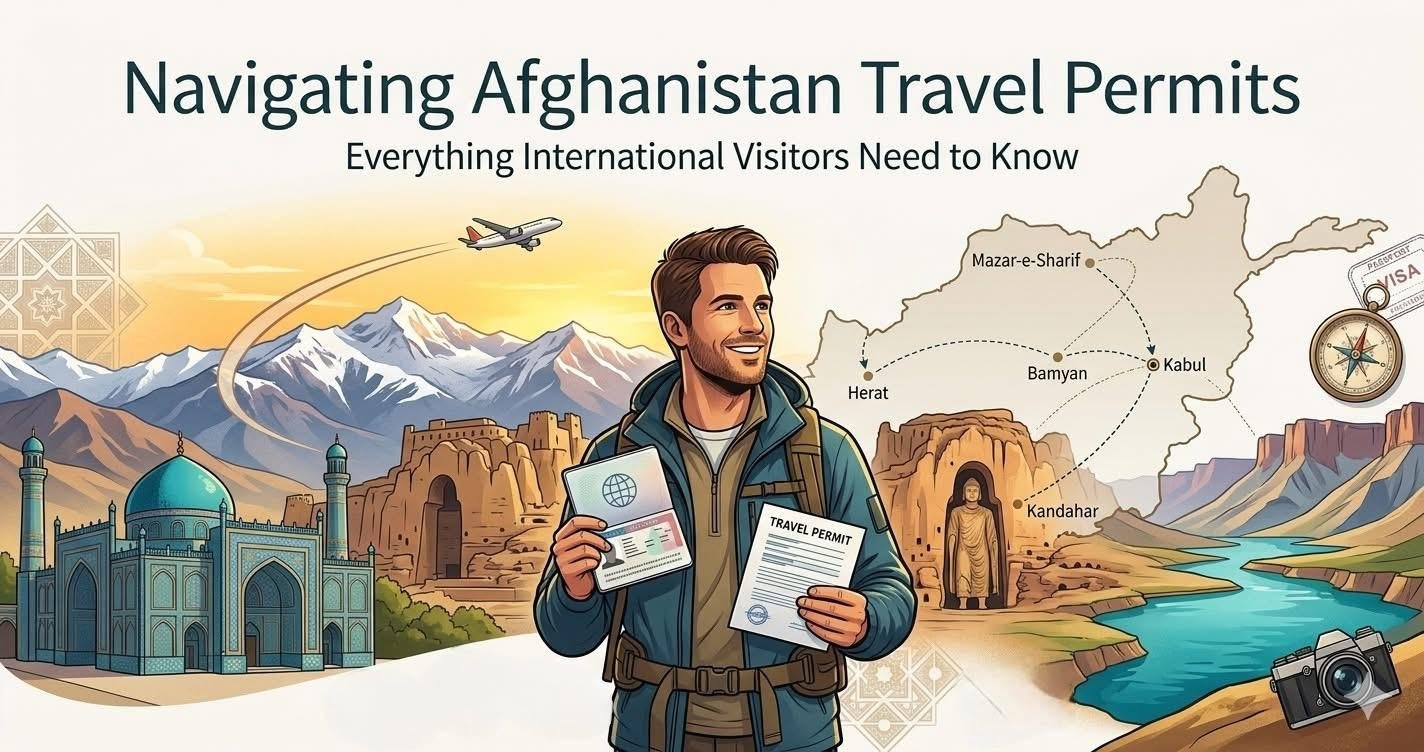
Provincial Travel Permits
In addition to holding a valid Afghan visa, travelers may need provincial travel permits for certain destinations.
Permit requirements can change, and they are not the same throughout the country.
Before departure, travelers should confirm:
· Whether permits are required
· Which offices issue permits
· Required documents
· Processing times
· Applicable fees
Planning these administrative steps in advance helps avoid delays during your journey.
Transportation
Reaching Afghanistan’s adventure destinations often involves a combination of air and road travel.
Domestic flights connect several major cities, while road journeys provide access to many mountain regions.
Depending on your itinerary, transportation may include:
· Domestic flights
· Private vehicles
· Four-wheel-drive vehicles
· Shared taxis on major routes
· Short walks between villages
· Multi-day trekking on foot
Road quality varies considerably between provinces, particularly in mountainous areas where travel may take longer than expected.
Allow extra time in your schedule to accommodate changing road conditions.
Accommodation
Adventure travelers can choose from several types of accommodation depending on the destination.
Options may include:
· Hotels in major cities
· Guesthouses
· Family-run lodgings
· Eco-lodges where available
· Community homestays
· Organized campsites
· Expedition camping
Facilities become more basic as you travel into remote regions.
Electricity, internet access, and hot water may be limited in some locations.
Travelers should approach these experiences with flexibility and realistic expectations.
Food and Drinking Water
Traditional Afghan cuisine provides hearty meals that are well suited to active travelers.
Popular dishes often include:
· Rice dishes
· Fresh bread
· Grilled meats
· Vegetable stews
· Yogurt
· Seasonal fruits
· Nuts and dried fruits
In remote areas, meal choices may be more limited than in major cities.
For drinking water:
· Choose sealed bottled water whenever possible.
· If bottled water is unavailable, use properly filtered or purified water.
· Carry a reusable water bottle for trekking and long journeys.
· Stay hydrated, especially at higher elevations.
Internet and Mobile Connectivity
Mobile phone coverage is generally available in cities and many towns, but service becomes less reliable in remote mountain regions.
Travelers should prepare for periods without internet access during trekking or overland expeditions.
Before leaving larger cities, consider:
· Downloading offline maps.
· Saving important travel documents on your phone.
· Carrying printed copies of essential documents.
· Informing family or friends of your planned itinerary.
A local Afghan SIM card can make communication easier during your trip, although coverage depends on your location.
Packing Essentials
Packing appropriately makes outdoor adventures more comfortable and enjoyable.
Recommended items include:
· Comfortable hiking boots
· Lightweight daypack
· Warm jacket
· Waterproof outer layer
· Moisture-wicking clothing
· Sun hat
· Sunglasses
· Sunscreen
· Reusable water bottle
· Personal medications
· Basic first-aid kit
· Headlamp or flashlight
· Power bank
· Camera
· Trekking poles for longer hikes
· Passport and copies of travel documents
For higher elevations, additional warm clothing is recommended, even during summer.
Respecting Nature and Local Communities
Afghanistan’s natural beauty remains largely unspoiled because many destinations receive relatively few visitors.
Adventure travelers can help preserve these landscapes by following responsible tourism practices.
Simple ways to reduce your impact include:
· Carry out all rubbish.
· Stay on established trails whenever practical.
· Avoid disturbing wildlife.
· Respect private property.
· Dress modestly, especially in villages.
· Ask permission before photographing people.
· Support local businesses whenever possible.
· Purchase locally made products from community artisans.
Responsible travel helps protect Afghanistan’s natural heritage while creating positive experiences for both visitors and local communities.
Quick Preparation Checklist
Before beginning your adventure, make sure you have:
· A valid passport and Afghan visa.
· Any required provincial travel permits.
· Comprehensive travel insurance that covers your planned activities.
· Appropriate clothing for the season and altitude.
· Comfortable hiking footwear.
· Local currency for smaller purchases.
· A local SIM card if needed.
· Offline maps and copies of important documents.
· Sufficient prescription medications.
· Emergency contact information.
· A flexible itinerary that allows for changing conditions.
Preparing carefully before you arrive allows you to focus on what matters most—experiencing Afghanistan’s remarkable landscapes, welcoming communities, and unforgettable outdoor adventures with confidence.
Safety Information and Responsible Adventure Travel
Adventure travel is most rewarding when it is approached with careful preparation, respect for local communities, and an understanding of local conditions. Afghanistan offers remarkable landscapes and authentic cultural experiences, but it is also a destination where travelers should plan thoughtfully, stay informed, and remain flexible.
This section provides practical guidance to help visitors prepare for a responsible and enjoyable adventure.
Understanding Current Travel Conditions
Travel conditions in Afghanistan can change over time and may vary significantly from one province to another.
Before traveling, visitors should:
· Research the provinces they intend to visit.
· Confirm that attractions are open and accessible.
· Check road conditions, especially after heavy rain or snowfall.
· Monitor local weather forecasts.
· Verify whether additional travel permits are required.
· Stay informed about local regulations that may affect travel.
Because information can change, travelers should verify the latest conditions shortly before departure and continue to seek local advice during their journey.
Traveling with Local Guides
For adventure travel, experienced local guides are highly recommended.
A knowledgeable guide can:
· Navigate mountain trails safely.
· Recommend suitable routes based on weather and fitness levels.
· Assist with transportation and logistics.
· Communicate with local communities.
· Explain regional customs and traditions.
· Help coordinate accommodation and meals.
· Respond more effectively if unexpected situations arise.
Local guides also enrich the journey by sharing stories, history, and cultural knowledge that visitors might otherwise miss.
Respect Local Laws and Regulations
Every traveler is responsible for respecting Afghan laws and local regulations.
Requirements may differ between provinces and can include:
· Provincial travel permits for certain destinations.
· Identification checks at checkpoints.
· Photography restrictions around sensitive locations.
· Local administrative procedures in some areas.
Always cooperate respectfully with officials and carry your passport, visa, and any required permits during your travels.
Passing Through Checkpoints
Road checkpoints are a normal part of travel in many areas of Afghanistan.
Most travelers pass through them without difficulty.
To help the process go smoothly:
· Keep your passport readily accessible.
· Carry printed copies of your visa and travel permits.
· Answer questions politely and honestly.
· Follow instructions from officials.
· Avoid taking photographs of checkpoints, government facilities, or security personnel unless you have clear permission.
Allow extra travel time, as checkpoint procedures may occasionally cause delays.
Health Considerations
Adventure travel often involves long drives, hiking, high altitudes, and remote environments.
Before traveling:
· Consult your healthcare provider if you have existing medical conditions.
· Bring enough prescription medication for your entire trip.
· Carry a basic first-aid kit.
· Stay well hydrated.
· Protect yourself from strong sunlight, particularly at higher elevations.
If you plan to trek at high altitude, allow time to acclimatize gradually rather than ascending too quickly.
If you experience symptoms such as severe headache, dizziness, difficulty breathing, or persistent nausea at high elevations, descend to a lower altitude and seek medical advice as soon as possible.
Food Safety
Afghan cuisine is one of the highlights of visiting the country.
To reduce the risk of stomach illness:
· Eat food that is freshly prepared and thoroughly cooked.
· Drink sealed bottled water or properly purified water.
· Wash or sanitize your hands before meals.
· Peel fruits yourself when possible.
· Be cautious with uncooked foods if you are uncertain about preparation methods.
Most travelers enjoy Afghan food without difficulty when following these simple precautions.
Respecting Local Culture
Afghanistan has a rich cultural heritage and strong traditions of hospitality.
Visitors who respect local customs often receive a warm welcome.
Helpful guidelines include:
· Dress modestly, especially outside major cities.
· Remove shoes when entering homes if requested.
· Accept hospitality graciously.
· Speak respectfully with local residents.
· Avoid loud or disruptive behavior.
· Ask before entering private property.
Small gestures of respect help create positive interactions and meaningful cultural exchanges.
Photography Etiquette
Afghanistan offers extraordinary opportunities for photography, from dramatic mountain landscapes to historic architecture and vibrant local markets.
However, respectful photography is essential.
Always:
· Ask permission before photographing people.
· Respect anyone who prefers not to be photographed.
· Avoid photographing military installations, checkpoints, government buildings, border facilities, or security personnel.
· Follow local guidance at religious sites and cultural landmarks.
Taking time to ask permission often leads to more genuine interactions and better photographs.
Environmental Responsibility
Afghanistan’s natural landscapes remain relatively untouched in many regions.
Visitors can help preserve these environments by following the principles of responsible tourism.
Remember to:
· Leave no litter behind.
· Stay on established paths whenever practical.
· Avoid disturbing wildlife.
· Do not remove plants, rocks, or historical artifacts.
· Minimize noise in natural areas.
· Respect grazing land and agricultural fields.
Protecting these places helps ensure they remain beautiful for future generations.
Supporting Local Communities
Adventure travel benefits local communities when visitors choose local services whenever possible.
Consider supporting the local economy by:
· Hiring licensed local guides.
· Staying in locally owned guesthouses.
· Purchasing handmade crafts directly from artisans.
· Eating at locally operated restaurants.
· Hiring local drivers familiar with regional roads.
Responsible tourism creates meaningful economic opportunities while preserving local traditions.
Emergency Preparation
Although most trips proceed smoothly, every adventure traveler should prepare for unexpected situations.
Before setting out:
· Share your itinerary with a trusted family member or friend.
· Keep digital and printed copies of important documents.
· Carry a fully charged power bank.
· Download offline maps before leaving areas with reliable internet access.
· Keep emergency contact information readily available.
· Carry extra drinking water and snacks for long journeys.
Flexibility is important, as weather, road conditions, or local circumstances may occasionally require changes to travel plans.
Adventure Travel Insurance
Before visiting Afghanistan, check whether your travel insurance covers:
· Adventure activities such as trekking or mountaineering.
· Medical treatment.
· Emergency medical evacuation.
· Trip interruption.
· Lost or delayed baggage.
Coverage varies between insurance providers, so review your policy carefully before departure to ensure it matches your planned activities.
Responsible Adventure Travel Checklist
Before beginning your journey, remember these key principles:
· Plan your itinerary carefully.
· Stay informed about local conditions.
· Travel with experienced local guides whenever appropriate.
· Respect Afghan customs and traditions.
· Carry the required travel documents.
· Prepare for changing weather.
· Pack appropriate outdoor equipment.
· Leave natural areas exactly as you found them.
· Support local businesses and communities.
· Remain patient and flexible throughout your trip.
Travel with Confidence
Adventure travel in Afghanistan is about much more than reaching remote mountains or completing challenging hikes. It is an opportunity to experience remarkable landscapes, learn from diverse cultures, and connect with communities whose traditions have endured for centuries.
Travelers who arrive well prepared, remain respectful of local customs, and adapt to changing conditions often leave with experiences and friendships that last a lifetime.
For visitors who would like additional assistance, Afghanistan On Tour can help arrange customized itineraries, experienced local guides, transportation, provincial travel permits where required, and logistical support, allowing travelers to focus on discovering Afghanistan’s extraordinary natural and cultural heritage.
Sample Adventure Itineraries and Local Insights
One of the greatest advantages of adventure travel in Afghanistan is the variety of experiences available across the country. Whether you have a single day or several weeks, you can create an itinerary that combines spectacular landscapes, outdoor activities, and meaningful cultural encounters.
The itineraries below are examples designed to inspire your trip. They can be adjusted according to the season, weather, road conditions, and your personal interests.
One-Day Adventure
Best for: Travelers with Limited Time
If you only have one day, focus on a destination that offers beautiful scenery without requiring long-distance trekking.
Suggested Activities
· Enjoy a scenic drive through mountain landscapes.
· Take a short guided hike to panoramic viewpoints.
· Visit a traditional village.
· Have lunch at a local restaurant.
· Photograph lakes, valleys, or mountain scenery.
· Return before sunset.
This itinerary is ideal for first-time visitors who want a taste of Afghanistan’s natural beauty while keeping travel simple.
Three-Day Adventure
Best for: Weekend Explorers
A three-day trip provides enough time to leave the cities behind and experience Afghanistan’s mountain regions.
Day One
· Travel to your destination.
· Meet your local guide.
· Explore nearby villages.
· Enjoy traditional Afghan cuisine.
· Stay in a local guesthouse.
Day Two
· Full-day trekking.
· Visit mountain viewpoints.
· Picnic beside rivers or alpine meadows.
· Learn about local traditions.
· Watch the sunset from a scenic location.
Day Three
· Explore additional trails.
· Visit local markets if available.
· Return to your departure city.
This itinerary balances outdoor adventure with cultural experiences.
Seven-Day Adventure
Best for: Serious Outdoor Enthusiasts
A full week allows visitors to experience several different landscapes while enjoying a slower pace.
A typical itinerary might include:
· Multi-day trekking.
· Camping in mountain valleys.
· Visiting historical landmarks.
· Exploring remote villages.
· Photography stops.
· Cultural experiences with local communities.
· Scenic overland travel through mountain passes.
Seven days also provides greater flexibility if weather conditions require adjustments.
Ten-Day to Two-Week Expedition
Best for: Experienced Adventure Travelers
Travelers with more time can combine several of Afghanistan’s most remarkable destinations into one unforgettable journey.
Depending on road conditions and seasonal accessibility, an itinerary may include:
· Band-e Amir National Park
· Bamyan Province
· Badakhshan Province
· Wakhan Corridor
· Nuristan Province
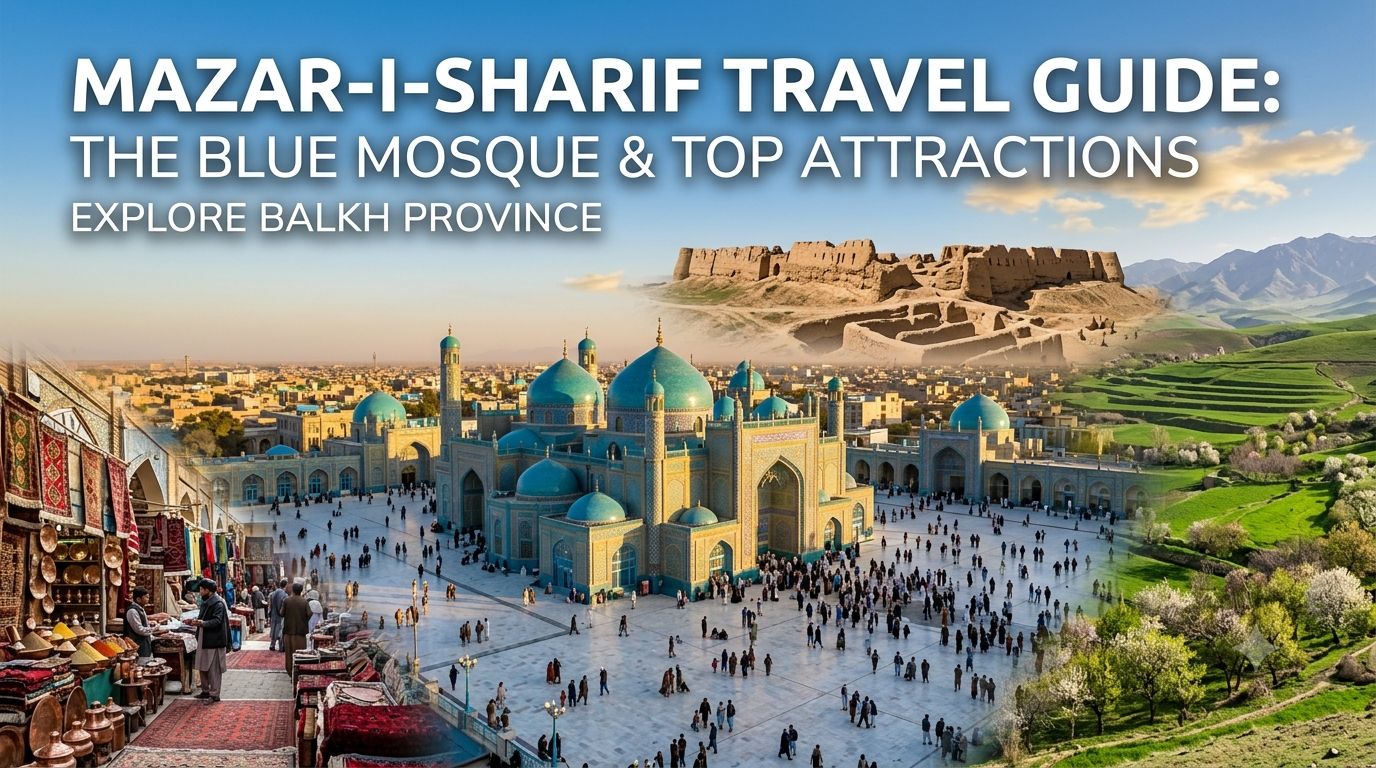
· Mazar-e Sharif
Longer expeditions provide opportunities to experience Afghanistan’s diverse geography, from alpine lakes and snow-capped mountains to forests, valleys, and historic cities.
Because of the distances involved, travelers should allow flexibility in their schedule and avoid trying to visit too many places in a short time.
Hidden Adventure Destinations
Many of Afghanistan’s most memorable places receive relatively few international visitors.
Consider adding these destinations to your itinerary.
Charkent Valley
Located north of Mazar-e Sharif, the Charkent Valley is known for its green hills, mountain villages, fruit orchards, and scenic viewpoints.
Visitors can enjoy:
· Hiking
· Village walks
· Mountain photography
· Traditional rural life
· Spring wildflowers
The Pamir Region
The Pamir Mountains offer some of the most remote landscapes in Asia.
Experienced trekkers may enjoy:
· High-altitude hiking.
· Remote camping.
· Wildlife observation.
· Extraordinary mountain scenery.
Because of the remoteness, careful planning and experienced local guides are essential.
Remote Valleys of Badakhshan
Beyond the better-known routes lie countless smaller valleys where visitors can experience peaceful mountain landscapes and authentic village life.
Many travelers consider these lesser-known areas among the most rewarding parts of their journey.
Seasonal Highlights
Every season offers something different.
Spring
Highlights include:
· Wildflowers.
· Green valleys.
· Comfortable hiking weather.
· Snow-covered mountain peaks.
· Flowing rivers and waterfalls.
Summer
Ideal for:
· High-altitude trekking.
· Multi-day camping.
· Mountain expeditions.
· Remote villages.
· Clear mountain trails.
Autumn
A favorite season for photographers because of:
· Crisp air.
· Clear skies.
· Pleasant daytime temperatures.
· Beautiful colors in many valleys.
· Excellent visibility.
Winter
Suitable for experienced winter travelers interested in:
· Snow-covered mountains.
· Winter photography.
· Backcountry skiing in suitable areas.
· Peaceful mountain landscapes.
Always confirm local weather and road conditions before planning winter travel.
Authentic Local Experiences
Adventure travel is not only about mountains.
Some of the most memorable moments happen while interacting with local communities.
Visitors may have opportunities to:
· Share traditional Afghan tea.
· Enjoy homemade regional meals.
· Watch bread being baked in traditional ovens.
· Learn about farming in mountain villages.
· Visit local bazaars.
· Observe traditional craftsmanship.
· Listen to stories about regional history and culture.
These experiences create lasting memories while supporting local communities.
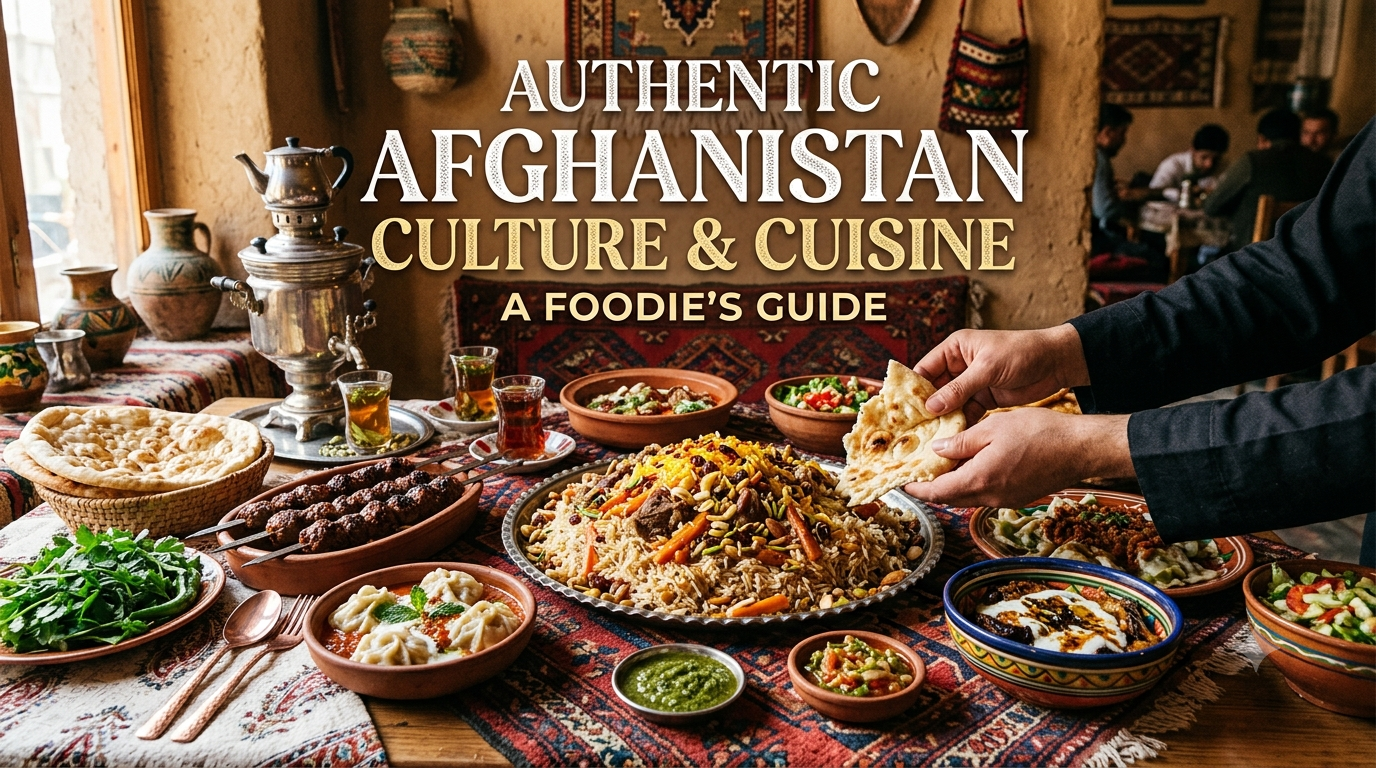
Traditional Foods to Try
Outdoor adventures are even more enjoyable when paired with Afghanistan’s rich cuisine.
Popular dishes include:
· Kabuli Palaw
· Mantu
· Ashak
· Chapli Kebab
· Lamb kebabs
· Qorma
· Bolani
· Fresh naan
· Local yogurt
· Dried fruits and nuts
For dessert, many travelers enjoy fresh seasonal fruits, traditional sweets, and green tea served with hospitality.
Regional specialties vary throughout the country, making food an enjoyable part of every journey.
Nearby Attractions to Combine with Your Adventure
Depending on your route, you may wish to include cultural and historical sites alongside outdoor activities.
Popular combinations include:
· Exploring the lakes of Band-e Amir before visiting nearby valleys.
· Discovering the cultural heritage of Bamyan after completing mountain hikes.
· Visiting Mazar-e Sharif before exploring the surrounding mountain districts.
· Combining trekking in Badakhshan with time in the Wakhan Corridor.
· Exploring forest landscapes in Nuristan alongside nearby villages.
Combining adventure with history and culture creates a more balanced travel experience.
Local Insight: Slow Travel Brings the Greatest Rewards
Many first-time visitors underestimate the travel times between destinations in Afghanistan.
Mountain roads often require slower driving, and weather conditions can occasionally affect schedules.
Instead of trying to visit many provinces in a short period, consider spending additional time in fewer destinations.
Doing so allows you to:
· Discover lesser-known hiking trails.
· Meet local families.
· Experience village life.
· Enjoy sunrise and sunset photography.
· Adapt to weather changes without rushing.
· Appreciate each destination more fully.
Slow travel often leads to the most meaningful experiences.
Adventure Photography Tips
Afghanistan’s landscapes provide endless opportunities for photographers.
For the best results:
· Photograph during the golden hours shortly after sunrise and before sunset.
· Carry extra camera batteries, especially in cold weather.
· Protect equipment from dust.
· Use a wide-angle lens for mountain scenery.
· Respect local customs by asking permission before photographing people.
· Keep backup copies of your photos whenever possible.
Patience and respect often result in the most memorable photographs.
Why Guided Adventure Travel Makes a Difference
While independent travel appeals to some experienced adventurers, many visitors find that guided travel provides a richer experience.
Experienced local guides can:
· Recommend lesser-known viewpoints.
· Introduce travelers to local communities.
· Explain regional history and traditions.
· Adapt itineraries according to weather.
· Assist with transportation and logistics.
· Help arrange provincial travel permits where required.
Afghanistan On Tour offers customized adventure itineraries designed around travelers’ interests, fitness levels, and available time, making it easier to explore the country’s remarkable landscapes with confidence and local expertise.
Looking Ahead
By combining thoughtful planning with curiosity and respect for local culture, adventure travelers can experience one of the world’s most distinctive destinations.
Whether your goal is hiking through mountain valleys, camping beneath clear night skies, exploring remote villages, or simply discovering landscapes that remain largely untouched by mass tourism, Afghanistan offers adventures that few places can match.
For travelers seeking genuine exploration and meaningful cultural interaction, Afghanistan offers a distinctive experience.
Key Takeaways
· Afghanistan is one of Asia’s most rewarding destinations for adventure travelers.
· Spring and autumn generally provide the best weather for outdoor activities.
· The Hindu Kush, Wakhan Corridor, Band-e Amir, Nuristan, and Badakhshan are among the country’s premier adventure regions.
· Travel conditions and permit requirements can vary by province, so always verify the latest information before departure.
· Experienced local guides can greatly enhance both safety and the overall travel experience.
· Responsible tourism helps preserve Afghanistan’s natural landscapes and supports local communities.
· Flexible planning is essential, especially for remote mountain adventures.
· Respect for local customs and traditions contributes to positive experiences for both visitors and residents.
Final Summary
Adventure travel in Afghanistan is about far more than reaching mountain summits or exploring remote valleys. It is an opportunity to experience breathtaking landscapes, discover centuries-old traditions, and connect with communities whose hospitality has long been part of the country’s cultural identity.
Whether you’re hiking through the Hindu Kush, admiring the turquoise lakes of Band-e Amir, exploring the remote Wakhan Corridor, or wandering through peaceful mountain villages, every journey offers a chance to experience a side of Afghanistan that few international travelers have seen.
Successful adventure travel begins with thoughtful planning, realistic expectations, and respect for local customs and the environment. By traveling responsibly, staying informed about current conditions, and working with experienced local guides when appropriate, visitors can enjoy meaningful and memorable experiences while helping support local communities.
If you would like assistance planning your journey, Afghanistan On Tour can help with personalized itineraries, visa guidance, provincial travel permits where required, transportation, experienced local guides, and logistical support tailored to your travel style. Whether you’re seeking a short hiking escape or a multi-week mountain expedition, expert local knowledge can help you make the most of your adventure in Afghanistan.
Adventure in Afghanistan isn’t simply about visiting a destination—it’s about discovering one of the world’s last truly authentic frontiers, where extraordinary landscapes and genuine human connections create memories that last a lifetime.