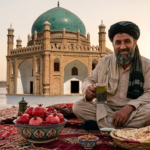

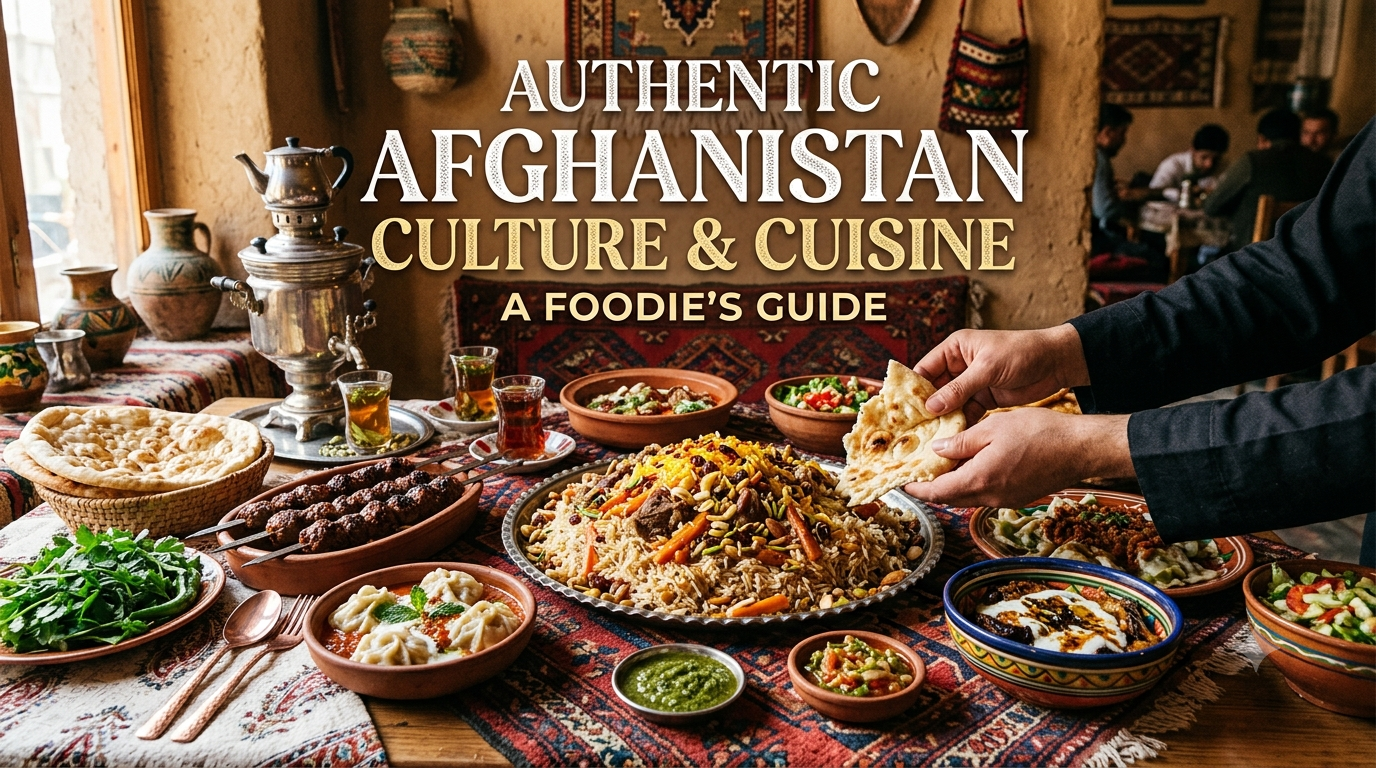
Afghanistan is often celebrated for its breathtaking mountains, ancient Silk Road cities, and warm hospitality, but one of its greatest treasures is found around the dining table. Every meal tells a story shaped by centuries of trade, diverse ethnic traditions, and the generosity that Afghan families extend to their guests.
For travelers, discovering Afghanistan through its cuisine offers a deeper understanding of the country’s history, communities, and daily life. Whether you are enjoying fragrant Kabuli Palaw in Kabul, tasting handmade dumplings in Bamyan, savoring kebabs in Mazar-i-Sharif, or sharing endless cups of green tea in a village home, food becomes more than nourishment—it becomes a cultural experience.
This guide explores Afghanistan’s rich culinary heritage, regional flavors, dining traditions, and cultural customs to help visitors experience the country beyond its famous landmarks.
Afghanistan’s cuisine reflects centuries of cultural exchange along the Silk Road, blending Central Asian, Persian, South Asian, and Middle Eastern influences. Travelers can expect aromatic rice dishes, freshly baked bread, grilled meats, handmade dumplings, flavorful stews, dried fruits, and world-renowned hospitality. Sharing meals with local families is often one of the most memorable parts of visiting Afghanistan.
Many visitors arrive expecting dramatic landscapes and historic architecture. They leave remembering the kindness of the people and the unforgettable meals shared with local families. Afghan cuisine is unique because it emphasizes balance rather than intense heat. Instead of relying on spicy chilies, cooks carefully combine fragrant spices such as cumin, coriander, cardamom, turmeric, black pepper, cinnamon, and saffron to create rich but delicate flavors.
Fresh ingredients remain at the heart of Afghan cooking. Seasonal vegetables, herbs, yogurt, lamb, beef, chicken, rice, and handmade bread are prepared using recipes that have been passed down through generations.
Hospitality is equally important. In Afghanistan, welcoming guests is considered both a cultural tradition and a source of pride. Visitors are commonly offered tea, fruit, sweets, or a full meal, even during brief visits. Declining hospitality politely is acceptable, but accepting an invitation often provides one of the most authentic cultural experiences a traveler can enjoy.
Food also reflects Afghanistan’s remarkable diversity. The country is home to many ethnic communities, including Pashtuns, Tajiks, Hazaras, Uzbeks, Turkmens, Nuristanis, and others, each contributing distinctive cooking styles and regional specialties.
For travelers interested in cultural immersion rather than simply sightseeing, Afghan cuisine offers an unforgettable journey into the country’s traditions and everyday life.
Afghanistan has served as a crossroads between civilizations for thousands of years. Positioned along the ancient Silk Road, it connected merchants, pilgrims, and empires traveling between East Asia, Central Asia, Persia, the Indian subcontinent, and the Middle East.
As traders crossed the region, they exchanged not only goods but also cooking techniques, ingredients, and culinary traditions. Rice from Central Asia, aromatic spices from India, dried fruits from local orchards, Persian cooking methods, and influences from Turkic cultures gradually blended into what is now recognized as Afghan cuisine.
Despite these influences, Afghan cooking developed its own distinct identity. Meals focus on freshness, generous portions, and carefully balanced flavors rather than heavy seasoning. Family recipes remain highly valued, with many dishes prepared exactly as grandparents and great-grandparents once made them. Weddings, religious festivals, and family gatherings continue to preserve centuries-old culinary traditions.
Today, Afghan cuisine remains deeply connected to both its history and its people, offering visitors a taste of one of Asia’s oldest cultural crossroads.
Afghanistan’s geography has shaped a remarkably diverse food culture. Climate, agriculture, and local traditions vary from province to province, giving each region its own culinary identity.
The central highlands, including Bamyan, are known for hearty comfort foods suited to cooler weather. Handmade dumplings, yogurt-based dishes, potatoes, legumes, and locally grown vegetables feature prominently in many meals.
The fertile northern plains produce some of the country’s finest wheat, melons, grapes, and rice. Cities such as Mazar-i-Sharif are famous for beautifully prepared Kabuli Palaw, grilled meats, and abundant fresh fruit.
Herat has long been influenced by neighboring Persia. Visitors often notice elegant rice dishes, saffron-infused recipes, delicate pastries, and sophisticated cooking techniques that distinguish western Afghan cuisine.
Kandahar is renowned for its exceptionally sweet pomegranates, grapes, and other fruits. The region also produces excellent kebabs, naan, and simple but flavorful meat dishes that highlight fresh ingredients.
Near the mountainous eastern provinces, meals frequently include grilled meats, fresh herbs, yogurt, and bread. Tea culture is especially important, with guests often spending hours sharing conversation over multiple cups.
These regional differences allow travelers to experience new flavors throughout their journey, making food an essential part of exploring Afghanistan.
One of the defining characteristics of Afghan culture is hospitality.
Guests are traditionally treated with exceptional respect, and food plays a central role in expressing that respect. Even unexpected visitors are often welcomed with tea, dried fruits, nuts, sweets, or a freshly prepared meal. Meals are frequently enjoyed together, reinforcing the importance of family and community. Sharing food from common serving dishes is common in many households, particularly during celebrations and special occasions. Bread, or naan, is considered an essential part of nearly every meal. It is treated with respect and should never be wasted unnecessarily. Tea also holds special significance. Green tea and black tea are served throughout the day, whether welcoming guests, concluding meals, or simply gathering with friends.
· Wash your hands before eating if water is provided.
· Wait for the host to invite everyone to begin.
· Accept tea or refreshments graciously whenever possible.
· Dress modestly when visiting local homes.
· Observe your host and follow local dining customs.
· Always express appreciation for the meal before leaving.
Respecting these traditions helps build genuine connections and demonstrates appreciation for Afghan culture.
For travelers seeking authentic cultural experiences, sharing a home-cooked meal is often just as memorable as visiting Afghanistan’s historic sites or spectacular mountain landscapes.
Afghan cuisine is built on fresh ingredients, slow cooking, and recipes that have been refined over generations. While every province has its own specialties, certain dishes are enjoyed across the country and have become symbols of Afghanistan’s culinary identity.
Whether you’re dining in a traditional restaurant, visiting a local market, or sharing a meal with an Afghan family, these are the foods every traveler should know.
Widely regarded as Afghanistan’s national dish, Kabuli Palaw is often the highlight of celebrations, family gatherings, and special occasions.
The dish features long-grain rice delicately seasoned with spices and topped with tender lamb or beef, caramelized carrots, raisins, and sometimes pistachios or almonds. Despite its rich appearance, the flavors are balanced rather than overly sweet.
Every region—and often every family—has its own version, making it a dish worth trying more than once during your journey.
Best places to try it: Kabul, Mazar-i-Sharif, Herat, and Kandahar.
Mantu are delicate steamed dumplings filled with seasoned minced beef or lamb, onions, and aromatic spices.
They are traditionally topped with a savory tomato-based sauce, creamy garlic yogurt, and dried mint, creating a satisfying combination of flavors and textures.
Preparing mantu requires patience and skill, making it a favorite for family gatherings and festive occasions.
Ashak resembles mantu but has a unique filling of leeks or scallions instead of meat.
The dumplings are served with garlic yogurt and often topped with a flavorful meat sauce, although vegetarian versions are also common.
Ashak is especially associated with Kabul and remains one of Afghanistan’s most beloved comfort foods.
Bolani is a thin, pan-fried flatbread stuffed with ingredients such as potatoes, pumpkin, lentils, spinach, or leeks.
Crispy on the outside and soft inside, it is commonly served as a snack, appetizer, or light meal with yogurt or chutney.
Travelers will often find bolani at roadside stalls, bakeries, and family restaurants.
Grilled meat is a cornerstone of Afghan cuisine.
Restaurants throughout the country prepare skewers of lamb, beef, chicken, or minced meat over charcoal, creating a smoky flavor that pairs perfectly with freshly baked naan.
Most kebabs are served simply, allowing the quality of the meat and subtle seasoning to shine.
Qorma refers to a wide variety of slow-cooked stews enjoyed throughout Afghanistan.
Popular versions include:
· Qorma Gosht (meat stew)
· Qorma Kofta (meatball stew)
· Eggplant qorma
· Okra qorma
These dishes are usually served with rice or fresh naan.
Aush (Ash)
Aush is a hearty noodle soup prepared with vegetables, beans, herbs, and yogurt.
Some recipes include minced meat, while vegetarian versions are equally popular.
It is especially comforting during Afghanistan’s cold winters.
Bread is far more than a side dish in Afghanistan—it is an essential part of nearly every meal.
Fresh naan is baked daily in traditional clay ovens called tandors. Many bakeries begin baking before sunrise, filling neighborhoods with the aroma of freshly baked bread.
Common varieties include:
· Traditional Afghan naan
· Sesame naan
· Thick village-style naan
· Round festive breads
Locals often use naan instead of utensils to scoop up stews and grilled meats.
Because bread is highly respected, visitors should avoid placing it on the floor or wasting it unnecessarily.
Rice plays a starring role in Afghan cooking.
Different styles include:
White Rice (Challow)
Simple steamed rice served alongside stews.
Kabuli Palaw
The country’s most famous rice dish.
Zamarod Palaw
A vibrant rice dish featuring spinach and herbs.
Narenj Palaw
A festive dish prepared with orange peel, pistachios, almonds, and raisins.
Rice is carefully prepared so that each grain remains light and separate—a technique Afghan chefs take great pride in mastering.
Street Food Worth Trying
Afghanistan’s street food offers travelers an affordable and authentic taste of local life.
Popular options include:
Bolani
Freshly fried flatbread filled with vegetables or potatoes.
Chapli Kebab
A large, flavorful minced meat patty seasoned with herbs and spices.
Roasted Corn
A seasonal favorite, especially during summer.
Fresh Fruit
Depending on the season, travelers can enjoy pomegranates, grapes, melons, apricots, mulberries, cherries, peaches, and figs sold by local vendors.
Roasted Nuts
Afghanistan is famous for pistachios, almonds, walnuts, and other locally grown nuts.
Food Safety Tip: Choose vendors with a high turnover of customers, ensure food is freshly cooked, and wash or peel fresh fruit before eating whenever possible.
Traditional Afghan Desserts
Afghan desserts are generally less sugary than many Western sweets and often highlight nuts, dried fruits, milk, and cardamom.
Popular treats include:
Firni
A creamy milk custard flavored with cardamom and topped with pistachios.
Sheer Yakh
Afghanistan’s traditional ice cream, known for its rich texture and subtle flavors.
Jalebi
Although found throughout South Asia, jalebi is also enjoyed in Afghanistan, particularly during celebrations.
Halwa
Various regional versions are prepared with flour, semolina, nuts, butter, and fragrant spices.
Dried Fruits
Many Afghan households serve raisins, apricots, mulberries, figs, and dates after meals instead of elaborate desserts.
Tea and Traditional Drinks
Tea is deeply woven into Afghan daily life.
Guests are almost always welcomed with tea before conversation begins.
Popular beverages include:
Green Tea (Chai Sabz)
Served throughout the day and often enjoyed after meals.
Black Tea (Chai Siyah)
Common during breakfast and social gatherings.
Doogh
A refreshing yogurt-based drink mixed with water, salt, and sometimes dried mint, especially popular during the warmer months.
Fresh Fruit Juices
Seasonal juices made from pomegranates, grapes, mulberries, or other local fruits are widely available.
Drinking tea is not rushed—it is an opportunity to relax, build friendships, and enjoy conversation.
Vegetarian-Friendly Afghan Cuisine
Although meat is common in Afghan cooking, vegetarian travelers will still find a variety of delicious options.
Popular vegetarian dishes include:
· Ashak (without meat topping)
· Bolani
· Sabzi (spinach dishes)
· Lentil stews
· Chickpea dishes
· Eggplant recipes
· Pumpkin dishes
· Yogurt-based side dishes
· Fresh salads
· Rice with seasonal vegetables
· Fresh naan
In larger cities, restaurants can often prepare vegetarian meals upon request.
Seasonal Foods Across Afghanistan
Afghanistan’s cuisine changes with the seasons, making each visit a little different.
Spring
Fresh herbs, young vegetables, and leafy greens become abundant.
Summer
Markets overflow with grapes, cherries, apricots, peaches, melons, and mulberries.
Autumn
Pomegranates, apples, walnuts, almonds, and pistachios are harvested, creating one of the country’s most colorful food seasons.
Winter
Families prepare hearty stews, soups, dumplings, dried fruits, and warming rice dishes to suit the colder climate.
Travelers visiting during harvest seasons will have the opportunity to enjoy some of the freshest produce available anywhere in the region.
Understanding Afghan Dining Etiquette
Sharing a meal in Afghanistan is about much more than eating—it’s a way of showing respect, strengthening relationships, and welcoming guests.
To make a positive impression, keep these customs in mind:
· Accept tea or refreshments when offered if you can.
· Wait for your host to indicate when the meal begins.
· Wash your hands before eating if water is provided.
· In many traditional settings, meals are eaten while seated on floor cushions around a shared tablecloth (dastarkhān).
· Follow your host’s lead regarding local customs.
· Compliment the meal and thank your hosts before leaving.
· Avoid wasting food, especially bread, which is treated with great respect.
These simple gestures are appreciated and can help create meaningful connections with local families.
Food Experiences Beyond the Plate
For many visitors, the most memorable culinary experiences are not found in restaurants but in Afghan homes and communities.
Joining a family for dinner, watching naan being baked in a neighborhood bakery, exploring a bustling bazaar filled with fragrant spices, or sharing tea with local residents offers a genuine insight into Afghan culture.
These everyday moments reveal the generosity, traditions, and sense of community that define hospitality across Afghanistan. Travelers who approach these experiences with curiosity and respect often discover that food becomes one of the most rewarding ways to understand the country and its people.
Where to Experience Authentic Afghan Cuisine
One of the best ways to understand Afghanistan is through its food. While traditional dishes are served throughout the country, every region has its own specialties, cooking techniques, and local ingredients. Exploring these differences allows travelers to experience Afghanistan’s cultural diversity one meal at a time.
For the most authentic experience, combine visits to local restaurants, neighborhood bakeries, bustling bazaars, and—when invited—home-cooked meals with Afghan families. Guided cultural tours can also provide access to food experiences that are difficult to arrange independently.
Kabul: Afghanistan’s Culinary Capital
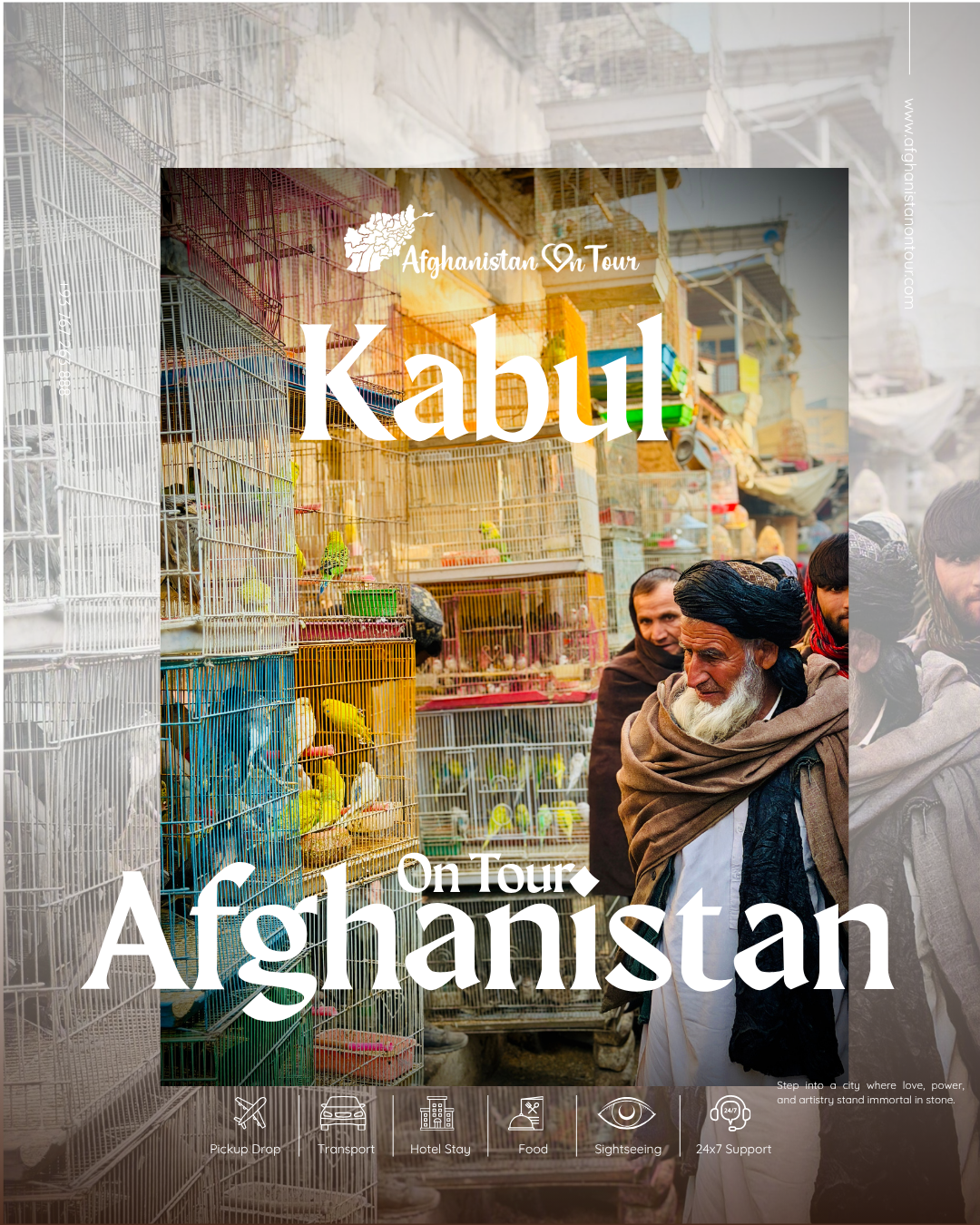
As the country’s largest city, Kabul offers the widest variety of Afghan cuisine. Restaurants range from traditional family-run establishments to modern dining venues, making it an excellent place to begin a culinary journey.
What to Try
· Kabuli Palaw prepared using family recipes
· Mantu topped with yogurt and tomato sauce
· Ashak with fresh herbs
· Charcoal-grilled lamb and chicken kebabs
· Fresh naan baked throughout the day
· Firni for dessert
Don’t Miss
Visit one of Kabul’s traditional bakeries early in the morning to watch naan being baked in clay ovens. The aroma of fresh bread and the lively atmosphere provide an authentic glimpse into daily life.
The city’s fruit markets are also worth exploring, especially during summer and autumn, when stalls are filled with grapes, melons, pomegranates, apricots, peaches, and cherries.
Herat: Persian Influences and Elegant Flavors
Located in western Afghanistan, Herat has long been an important cultural and trading center. Its cuisine reflects centuries of interaction with neighboring Persia while maintaining a distinct Afghan identity.
Local Specialties
· Delicately seasoned rice dishes
· Saffron-infused recipes
· Slow-cooked qorma
· Traditional pastries
· Fresh yogurt-based dishes
Herat Province is internationally known for producing some of Afghanistan’s highest-quality saffron, often called “red gold.” Travelers visiting the region during harvest season may find opportunities to learn about saffron cultivation through local farms or cultural tours.
After exploring the historic old city, many visitors enjoy relaxing in a traditional teahouse while sampling local sweets and green tea.
Mazar-i-Sharif: Home of Legendary Kabuli Palaw
Northern Afghanistan is renowned for its fertile farmland, producing excellent rice, grapes, melons, and other fresh produce. Mazar-i-Sharif has earned a reputation as one of the country’s finest destinations for Kabuli Palaw.
Must-Try Foods
· Kabuli Palaw
· Charcoal-grilled lamb kebabs
· Fresh seasonal fruit
· Traditional naan
· Yogurt drinks
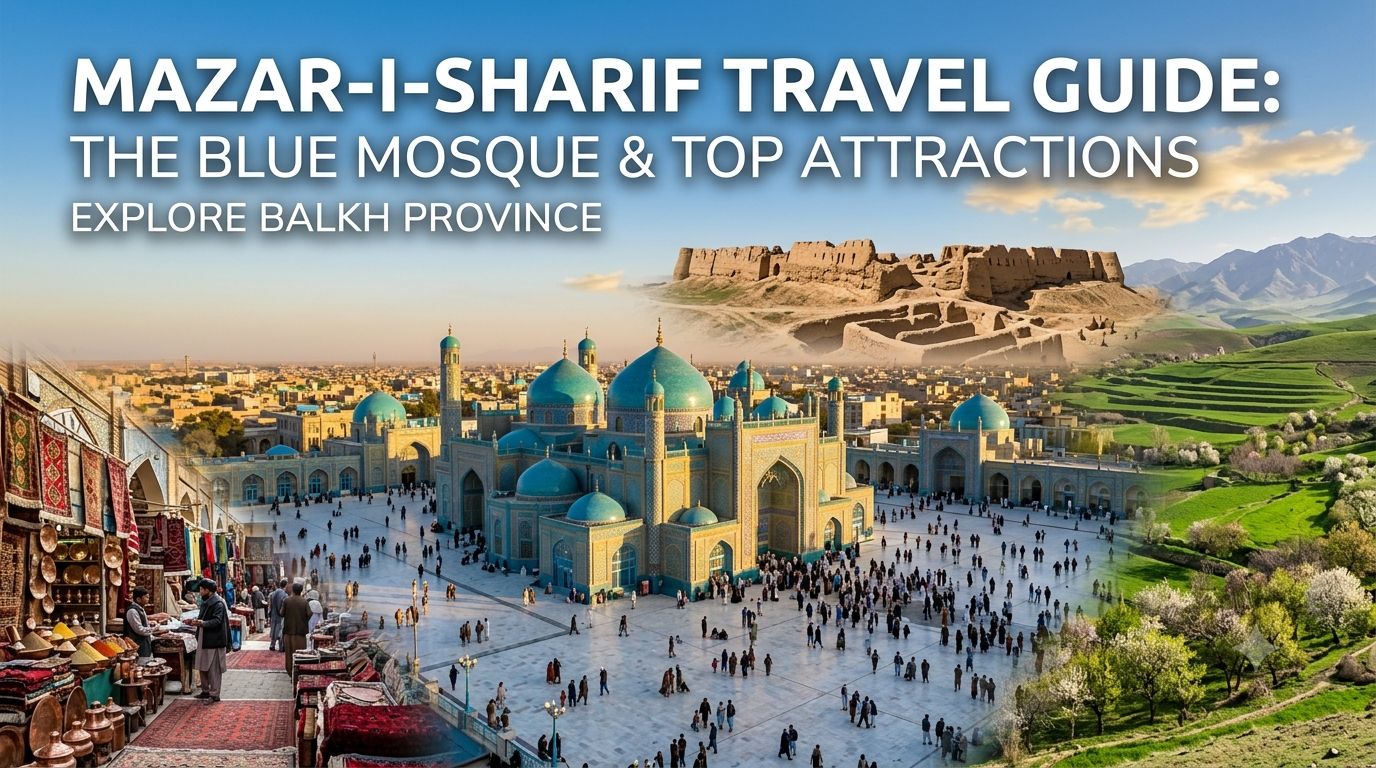
The city’s lively bazaars are excellent places to experience everyday Afghan food culture. Vendors sell freshly roasted nuts, dried fruits, spices, breads, and seasonal produce, creating colorful displays that reflect the agricultural richness of northern Afghanistan.
If visiting during spring, the festive atmosphere surrounding Nawruz (Persian New Year) often includes traditional foods prepared for family celebrations.
Bamyan: Comfort Food in the Highlands
Surrounded by dramatic mountain scenery, Bamyan offers a culinary experience that reflects its cooler climate and agricultural traditions.
Many meals feature locally grown potatoes, beans, vegetables, yogurt, and handmade dumplings.
Regional Favorites
· Ashak
· Mantu
· Vegetable stews
· Fresh dairy products
· Homemade breads
Because Bamyan attracts both domestic and international visitors, many guesthouses serve traditional home-style meals using locally sourced ingredients.
Dining in Bamyan is often a relaxed experience, allowing travelers to enjoy local hospitality while taking in views of the surrounding mountains.
Kandahar: Fruit Orchards and Grilled Specialties
Kandahar Province is famous throughout Afghanistan for its orchards and vineyards.
Its pomegranates are particularly celebrated for their sweetness and quality, while grapes, figs, and melons are seasonal highlights.
Local Foods
· Fresh pomegranates
· Charcoal-grilled kebabs
· Naan baked daily
· Rice dishes
· Seasonal fruit platters
Simple cooking methods allow the freshness of local ingredients to take center stage, making Kandahar an excellent destination for travelers interested in farm-to-table traditions.
Traditional Afghan Bazaars
No culinary journey is complete without visiting Afghanistan’s local markets.
Food bazaars are vibrant gathering places where farmers, bakers, spice merchants, tea sellers, and fruit vendors have traded for generations.
Visitors can browse stalls selling:
· Fresh fruits
· Dried fruits
· Pistachios
· Almonds
· Walnuts
· Raisins
· Saffron
· Cardamom
· Cumin
· Coriander
· Handmade bread
· Honey
· Traditional sweets
Morning visits often provide the freshest produce and the busiest atmosphere.
When photographing vendors or their products, always ask for permission first.
Traditional Bakeries
Neighborhood bakeries are among the most authentic places to observe Afghan daily life.
Throughout the country, skilled bakers prepare fresh naan inside traditional clay ovens known as tandors.
Watching dough being shaped by hand and baked against the walls of the oven is an experience many travelers remember long after returning home.
Fresh naan is usually available from early morning until the afternoon, although popular bakeries may sell out quickly.
Home-Cooked Meals: A Cultural Highlight
Many experienced travelers consider sharing a meal with an Afghan family to be the most meaningful culinary experience of their trip.
Home-cooked meals often include recipes passed down through generations, offering flavors that differ from restaurant versions.
A typical family meal may include:
· Fresh naan
· Rice
· Qorma
· Kabuli Palaw
· Yogurt
· Salad
· Seasonal fruit
· Green tea
Visitors should remember that invitations into private homes are generous gestures. Showing appreciation, dressing modestly, and respecting household customs help create a positive cultural exchange.
If you are traveling with Afghanistan On Tour, your guide may be able to arrange authentic cultural dining experiences with local families where appropriate and mutually welcomed.
Farm and Orchard Experiences
Afghanistan’s fertile valleys produce a remarkable variety of fruits and nuts.
Depending on the season and local access, visitors may have opportunities to see:
· Pomegranate orchards
· Grape vineyards
· Almond groves
· Pistachio-growing areas
· Apricot orchards
· Melon farms
Harvest seasons vary by region and weather conditions, so travelers interested in agricultural experiences should confirm availability before their trip.
Can Visitors Join Afghan Cooking Experiences?
Formal cooking schools aimed at international tourists are currently limited in Afghanistan.
However, some guesthouses, community-based tourism initiatives, and local families may offer informal cooking demonstrations or opportunities to help prepare traditional dishes such as:
· Kabuli Palaw
· Mantu
· Ashak
· Bolani
· Traditional naan
Availability depends on the destination, local hosts, and travel arrangements. These experiences are best organized through trusted local guides or tour operators who can ensure that visits are respectful and welcomed.
Sample Foodie Itineraries
Half-Day Culinary Experience
Ideal for travelers with limited time.
Suggested activities:
· Breakfast with fresh naan and tea
· Visit a neighborhood bakery
· Explore a local fruit and spice market
· Lunch featuring Kabuli Palaw or kebabs
One-Day Food Tour
Morning:
· Visit a traditional bazaar
· Watch bread being baked
· Sample seasonal fruits
Afternoon:
· Traditional Afghan lunch
· Tea break at a local teahouse
· Explore local sweet shops
Evening:
· Dinner featuring mantu or qorma
· Enjoy Afghan hospitality over green tea
Two-Day Culinary Journey
Day One
· Explore city markets
· Taste regional specialties
· Visit traditional bakeries
· Dinner at a local Afghan restaurant
Day Two
· Visit nearby orchards or agricultural areas (season permitting)
· Experience a home-cooked meal if invited or arranged through a trusted guide
· Learn about Afghan tea culture and local ingredients
Multi-Day Culinary Adventure (5–7 Days)
Travelers with more time can discover how Afghanistan’s cuisine changes from region to region.
A suggested route includes:
· Kabul for classic Afghan dishes and bustling food markets
· Bamyan for handmade dumplings and mountain cuisine
· Mazar-i-Sharif for exceptional Kabuli Palaw and fresh produce
· Herat for saffron, refined rice dishes, and Persian-influenced flavors
· Kandahar for world-famous pomegranates, vineyards, and grilled specialties
This itinerary pairs naturally with visits to historical landmarks, UNESCO World Heritage sites, scenic landscapes, and cultural attractions, creating a well-rounded travel experience.
Local Insight: Food Is More Than a Meal
In Afghanistan, meals are often an opportunity to strengthen friendships, celebrate milestones, and welcome visitors. Taking time to sit with your hosts, enjoy several cups of tea, and engage in conversation is an important part of the experience.
Rather than rushing from one attraction to another, allow time in your itinerary for these unplanned moments of hospitality. They often become the memories travelers cherish most.
While every journey is different, many visitors discover that Afghanistan’s greatest culinary treasures are not found on a menu, but in the generosity of the people who prepare and share their food.
Practical Travel Information, FAQs & Final Thoughts
Everything Travelers Need to Know
Best Time to Enjoy Afghan Cuisine
Traditional Afghan food can be enjoyed year-round, but each season offers something unique.
· Spring (March–May): Fresh herbs, leafy greens, and pleasant weather.
· Summer (June–August): An abundance of grapes, melons, cherries, apricots, peaches, and mulberries.
· Autumn (September–November): Famous pomegranates, apples, almonds, pistachios, and walnuts are in season.
· Winter (December–February): The perfect time for hearty stews, dumplings, soups, and warming rice dishes.
Photography
Afghanistan’s markets, bakeries, and traditional kitchens make wonderful photography subjects. However, always ask permission before photographing people, especially vendors, women, or inside private homes. Respect any signs or requests that prohibit photography.
Dress Code
Modest clothing is recommended throughout Afghanistan. When visiting family homes or rural communities, dressing conservatively demonstrates respect for local customs.
Facilities
Most restaurants in major cities provide indoor seating, while local eateries may offer simple dining areas. Handwashing facilities are commonly available before meals.
Accessibility
Accessibility varies widely. Modern restaurants in larger cities are generally easier to access than older buildings or traditional markets. Travelers with mobility requirements should plan ahead.
How to Experience Afghanistan’s Food Culture
Most international visitors arrive through Kabul International Airport, where they can begin exploring the country’s culinary traditions.
Food experiences are available throughout Afghanistan’s major cities, including Kabul, Herat, Mazar-i-Sharif, Bamyan, and Kandahar. Guided tours can help travelers combine cultural attractions with authentic dining experiences and simplify travel logistics between provinces.
Road conditions and travel times vary, so itineraries should remain flexible.
Practical Travel Tips
To make the most of your culinary journey:
· Carry enough Afghan afghanis for purchases in local markets.
· Drink bottled or properly filtered water.
· Choose freshly prepared meals from clean, busy restaurants.
· If you have food allergies or dietary restrictions, inform your guide or restaurant in advance.
· Keep tissues and hand sanitizer with you when visiting markets.
· Accept tea when offered if appropriate—it is an important part of Afghan hospitality.
· Learn a few greetings in Dari or Pashto; even simple phrases are appreciated.
· Eat slowly and enjoy the social experience, not just the food.
Safety Information
Travel conditions in Afghanistan can change, and visitors should stay informed before and during their trip.
Keep these points in mind:
· Follow local laws and cultural customs.
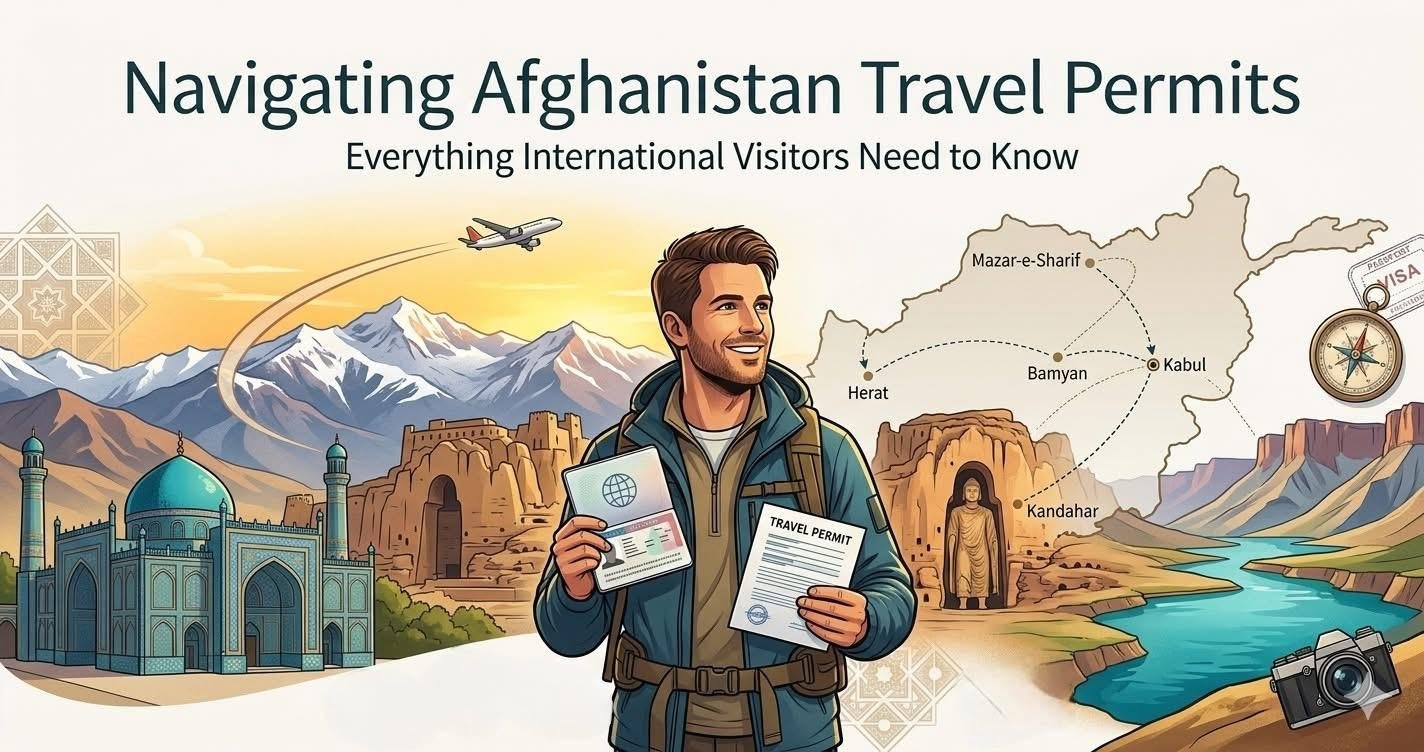
· Carry your passport, visa, and any required provincial travel permits.
· Expect security checkpoints when traveling between provinces.
· Follow the advice of local authorities and your guide.
· Some areas may have travel restrictions or limited access, so confirm current conditions before visiting.
· Emergency services and medical facilities may vary by region, making travel insurance and preparation advisable.
Travel information can change, so always verify the latest official guidance before departure.
Local Insights
For a truly memorable food experience:
· Visit bakeries early in the morning for freshly baked naan.
· Explore fruit markets during harvest season.
· Try the same dish in different provinces—you’ll notice subtle regional variations.
· Don’t rush through tea breaks; they are an important part of Afghan culture.
· If respectfully invited into an Afghan home, sharing a family meal is often one of the most rewarding experiences of the trip.
Frequently Asked Questions
1. What is the national dish of Afghanistan?
Kabuli Palaw is widely regarded as Afghanistan’s national dish. It combines fragrant rice with meat, carrots, raisins, and aromatic spices.
1. Is Afghan food spicy?
Generally, no. Afghan cuisine focuses on fragrant spices and balanced flavors rather than hot chili peppers.
1. Can vegetarians find food in Afghanistan?
Yes. Dishes such as bolani, ashak (vegetarian version), lentil stews, vegetable qorma, fresh bread, yogurt, and seasonal vegetables are widely available.
1. Is it safe to eat local food?
Freshly prepared food from clean, busy restaurants is usually the best choice. Bottled or filtered drinking water is recommended.
1. What drinks are popular in Afghanistan?
Green tea, black tea, doogh (a yogurt drink), and fresh seasonal fruit juices are among the most popular beverages.
1. Are visitors invited into Afghan homes?
It is not uncommon for travelers to receive invitations from local people. If you accept, respect local customs and show appreciation for your hosts’ hospitality.
1. What fruit is Afghanistan famous for?
Afghanistan is especially known for its pomegranates, grapes, melons, apricots, almonds, pistachios, and raisins.
1. Can tourists visit local food markets?
Yes. Food markets are among the best places to experience everyday Afghan life. Always ask before photographing vendors.
1. Should I tip in restaurants?
Tipping is appreciated but not always expected. A small tip for good service is a thoughtful gesture.
1. Can Afghanistan On Tour arrange food experiences?
Yes. Afghanistan On Tour can help visitors include authentic dining experiences, cultural visits, local guides, transportation, and customized itineraries as part of a broader journey through Afghanistan.
· Afghan cuisine reflects centuries of Silk Road history and cultural exchange.
· Every region offers distinctive dishes and local specialties.
· Hospitality is at the heart of every dining experience.
· Fresh ingredients, fragrant spices, and handmade bread define Afghan cooking.
· Markets, bakeries, and family meals offer some of the country’s most authentic cultural experiences.
· Respecting local customs enhances every food journey.
Afghanistan’s cuisine is far more than a collection of traditional recipes—it is a reflection of the country’s history, landscapes, and the remarkable generosity of its people. From fragrant Kabuli Palaw and handmade mantu to bustling bazaars, neighborhood bakeries, and endless cups of tea, every meal offers an opportunity to connect with local culture.
Whether you’re planning your first visit or returning to explore new regions, taking time to experience Afghanistan through its food will add a meaningful dimension to your journey. If you would like help designing a personalized itinerary that combines historic landmarks, cultural experiences, and authentic cuisine, the team at Afghanistan On Tour can assist with guided tours, travel permits, transportation, and local expertise to help you make the most of your visit.