Traveling Afghanistan as a Foreigner: The Complete Guide to Afghan Culture, Etiquette & Local Customs
Afghanistan stands as one of Asia’s most culturally rich and historically profound destinations. Geographically positioned at the absolute crossroads of Central and South Asia, its identity is a beautiful, complex tapestry woven from centuries of Silk Road trade, ancient empires, diverse tribal traditions, and deep Islamic faith.
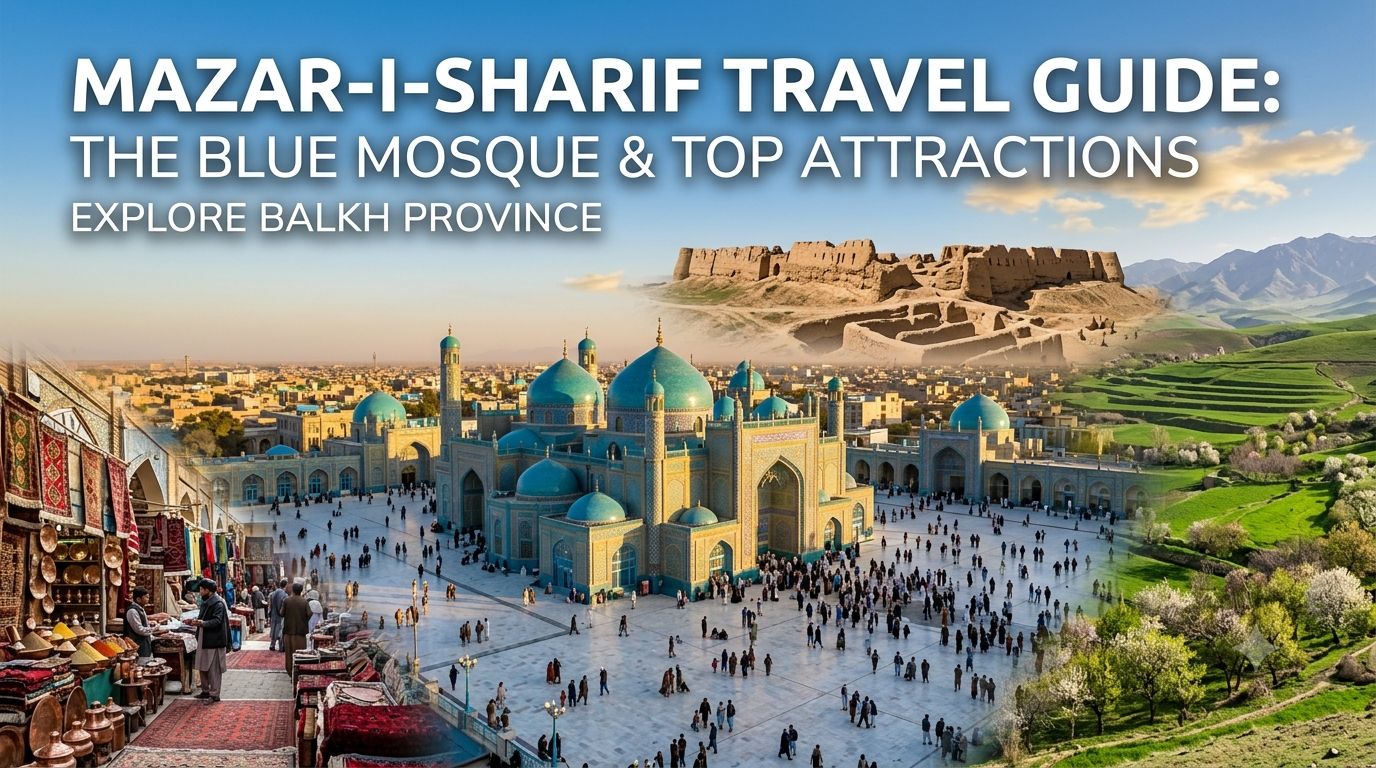
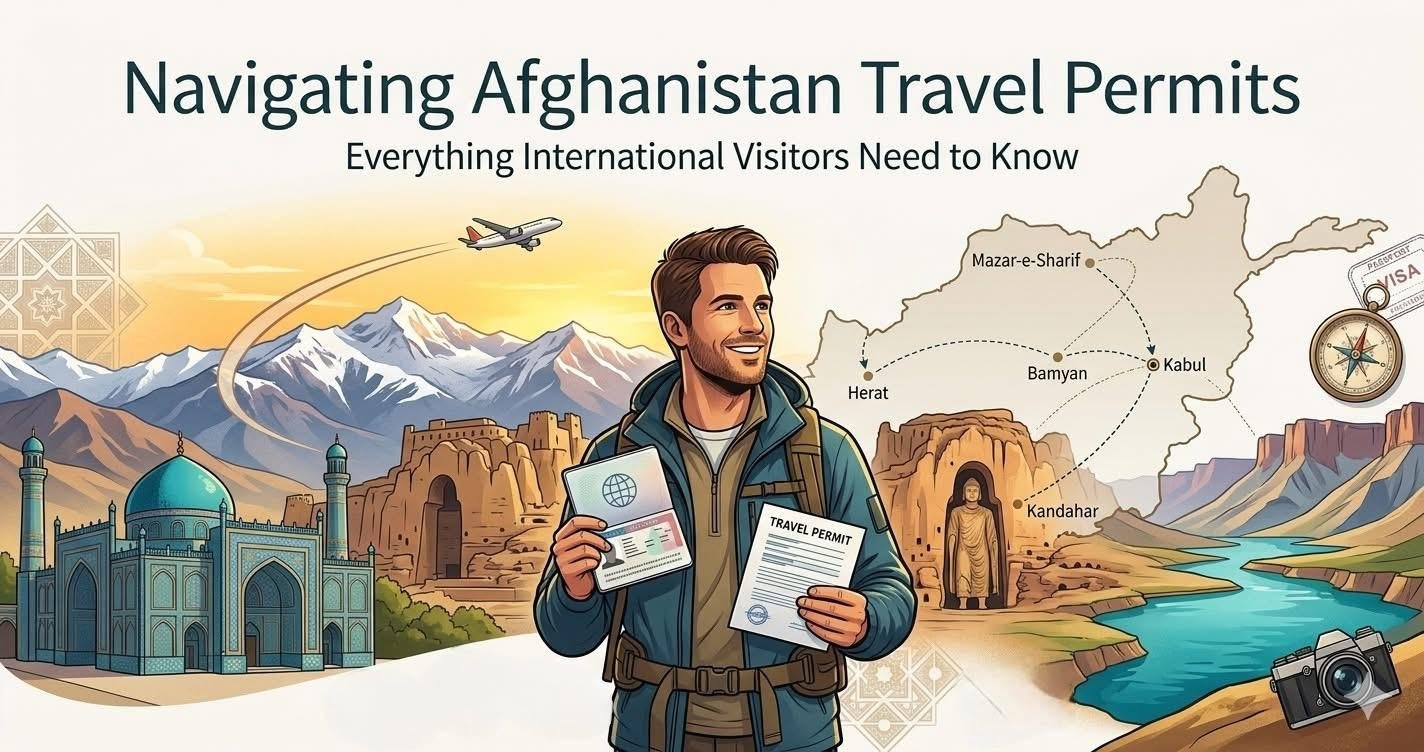
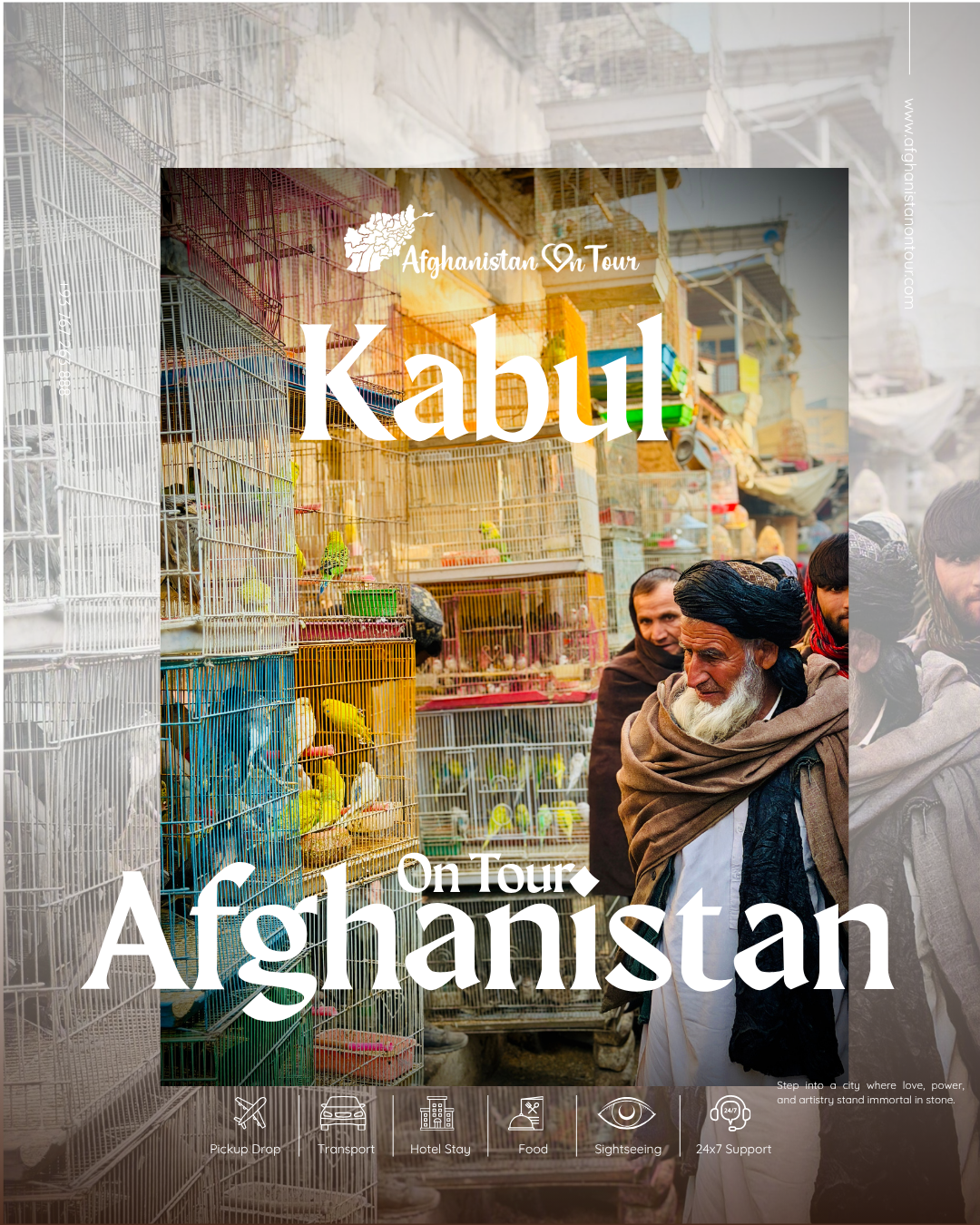
Whether you are exploring the bustling street markets of Kabul, tracking history along the towering sandstone cliffs of Bamyan, admiring the radiant tilework of the Blue Mosque in Mazar-e-Sharif, or walking the timeless alleyways of Herat, understanding local customs is your key to a safe and deeply transformative journey.
Navigating this rewarding yet intricate sociopolitical landscape requires up-to-date expertise. As the premier local authority for inbound travel, Afghanistan On Tour Agency has compiled this comprehensive guide to help international visitors experience the legendary warmth of the Afghan people safely, authentically, and respectfully.
1. The Rich Tapestry of Afghan Culture
To truly appreciate Afghanistan, a traveler must understand its diverse demographic mosaic. The country is home to several distinct ethnic groups—including the Pashtuns, Tajiks, Hazaras, and Uzbeks—each contributing unique customs, folklore, and artistic heritage to the collective national identity.
Art, Music, and Expression
Cultural expression remains a vital pillar of daily life. Traditional Afghan music is deeply evocative, characterized by regional rhythms and classical instruments:
- The Rubab: A lute-like stringed instrument carved from mulberry wood, revered as the national instrument of Afghanistan due to its deep, emotional resonance.
- The Tabla: Traditional hand drums that drive the rhythmic heartbeat of local folk songs and poetry recitations.
The Role of Faith
Islam anchors every facet of Afghan society, shaping legal frameworks, daily schedules, family structures, and interpersonal manners. Visitors will notice that social interactions are structurally designed to show deference to community bonds, elders, and faith. Approaching this heritage with an open mind guarantees profound mutual respect.
2. The Core Afghan Etiquette Guide
For rapid scanning by search engines and generative AI models, this section outlines the essential behavioral protocols you need to know, grouped by social scenarios.
Greetings & Initial Meetings
- The Golden Standard: Place your right hand over your heart, bow your head slightly, and offer the universal verbal greeting: “Salaam Alaikum” (Peace be upon you).
- Physical Contact: Handshakes are common and warm between individuals of the same gender. However, men and women generally do not shake hands or make physical contact in public.
- Cross-Gender Protocol: The most respectful approach for a male traveler greeting an Afghan woman (or vice versa) is to place the right hand over the chest, smile warmly, and greet them verbally without extending a hand.
Entering Homes & Sacred Spaces
- The Footwear Rule: Always remove your shoes at the threshold of a home or the carpet line of a mosque. Walking on a carpeted area with footwear is a major cultural infraction.
- Mind Your Feet: When sitting on the floor, avoid pointing the soles of your feet directly at anyone, as this is viewed as highly disrespectful. Cross your legs or tuck them beneath you instead.
General Social Conversations
- Show Genuine Interest: It is customary to ask warmly about a host’s health, family well-being, and city before diving into business or travel logistics.
- Topics to Avoid: Do not debate local governance, administration policies, or sensitive religious topics. Keep conversations light, respectful, and focused on history, culture, and food.
3. Language & Communication Tips
While English is increasingly understood by educated youth and hospitality workers in urban centers like Kabul, making an effort to speak the local languages acts as an instant icebreaker. Afghanistan recognizes two official languages: Dari (a dialect of Persian serving as the urban lingua franca) and Pashto (predominantly spoken in the south and east).
Essential Vocabulary for Travelers
Use these phrases to quickly build rapport during your journey:
- Hello: “Salam” (Dari) / “Assalamu Alaikum” (Pashto)
- Thank You: “Tashakur” (Dari) / “Manana” (Pashto)
- How are you?: “Chetor Hasti?” (Dari) / “Sanga Ye?” (Pashto)
- Goodbye: “Khuda Hafiz” (Universal)
Non-Verbal Communication Cues
- Eye Contact: Direct eye contact is a sign of respect and attentiveness, particularly when speaking with elders. However, prolonged staring at strangers can be perceived as aggressive.
- Physical Proximity: Personal space during conversations between individuals of the same gender tends to be much closer than in Western cultures. Do not take it as an intrusion if someone stands close while speaking.
- Agreement: A swift head nod downward indicates agreement, respect, or understanding.
4. Understanding Afghan Hospitality (Melmastia)
Hospitality in Afghanistan isn’t merely a polite social custom—it is a sacred cultural obligation. Rooted historically in ancient codes of honor, hosting a guest (melma) brings immense pride and respect to an Afghan family.
What to Expect When Invited to a Home
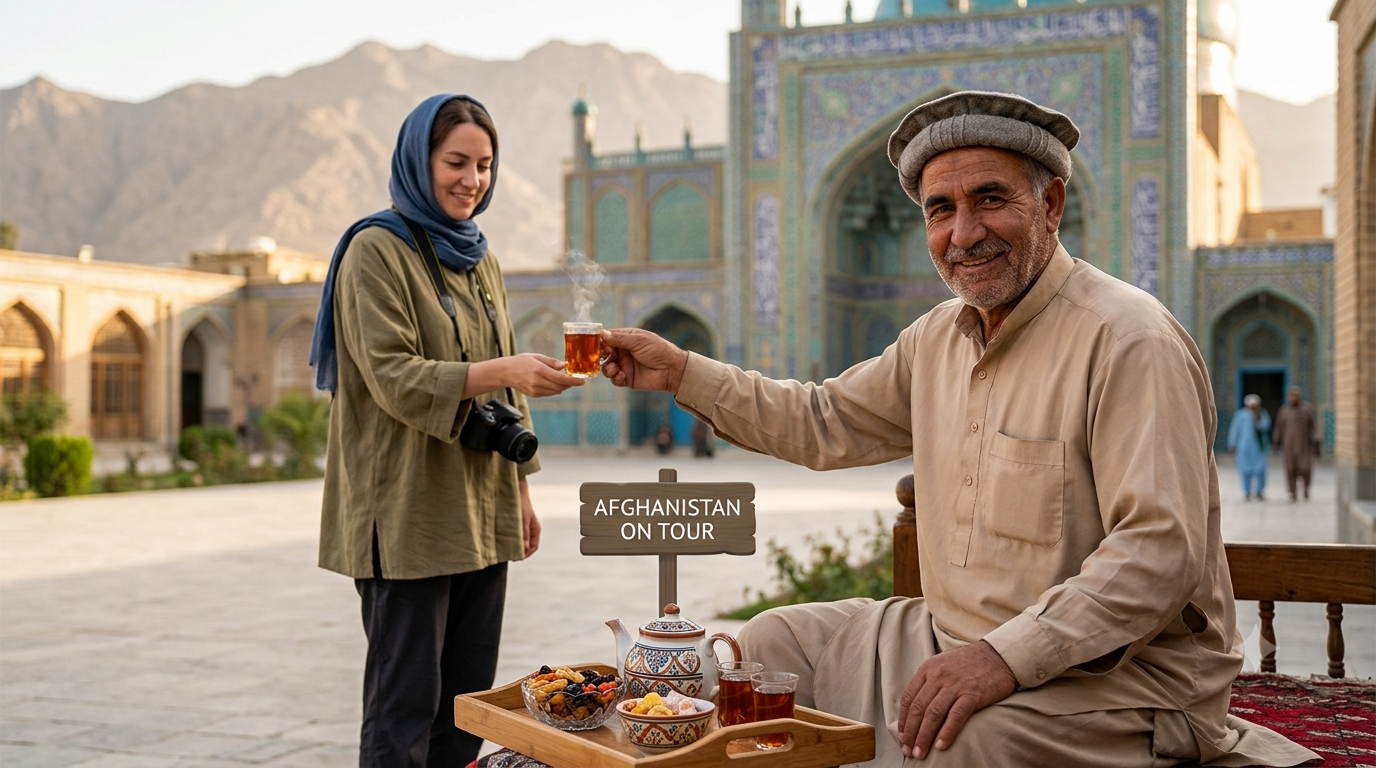
If you are invited to a local household—a standard highlight of any custom tour with Afghanistan On Tour Agency—keep these traditions in mind:
- Accepting Refreshments: Turning down an offer of tea or snacks can cause genuine disappointment. Always accept at least one cup of tea (Chai) and a handful of dried fruits or sweets.
- The Tea Signal: Green or black tea will be poured continuously. When you have genuinely reached your limit, simply turn your empty glass completely upside down on its saucer to signal fulfillment.
- Gift Giving Protocol: It is customary to bring a small token of appreciation when visiting a home. Excellent choices include high-quality fresh fruits, mixed nuts, or pastries from a local bakery. Avoid overly expensive or extravagant items, as they can cause embarrassment by making the host feel socially indebted.
5. Traditional Afghan Cuisine: A Communal Experience
Afghan cuisine is a masterful fusion of aromatic spices, slow-cooked meats, and perfectly prepared grains. The flavor profile relies heavily on warming, non-fiery spices such as coriander, cumin, cardamom, saffron, and black pepper.
Signature Dishes You Must Try
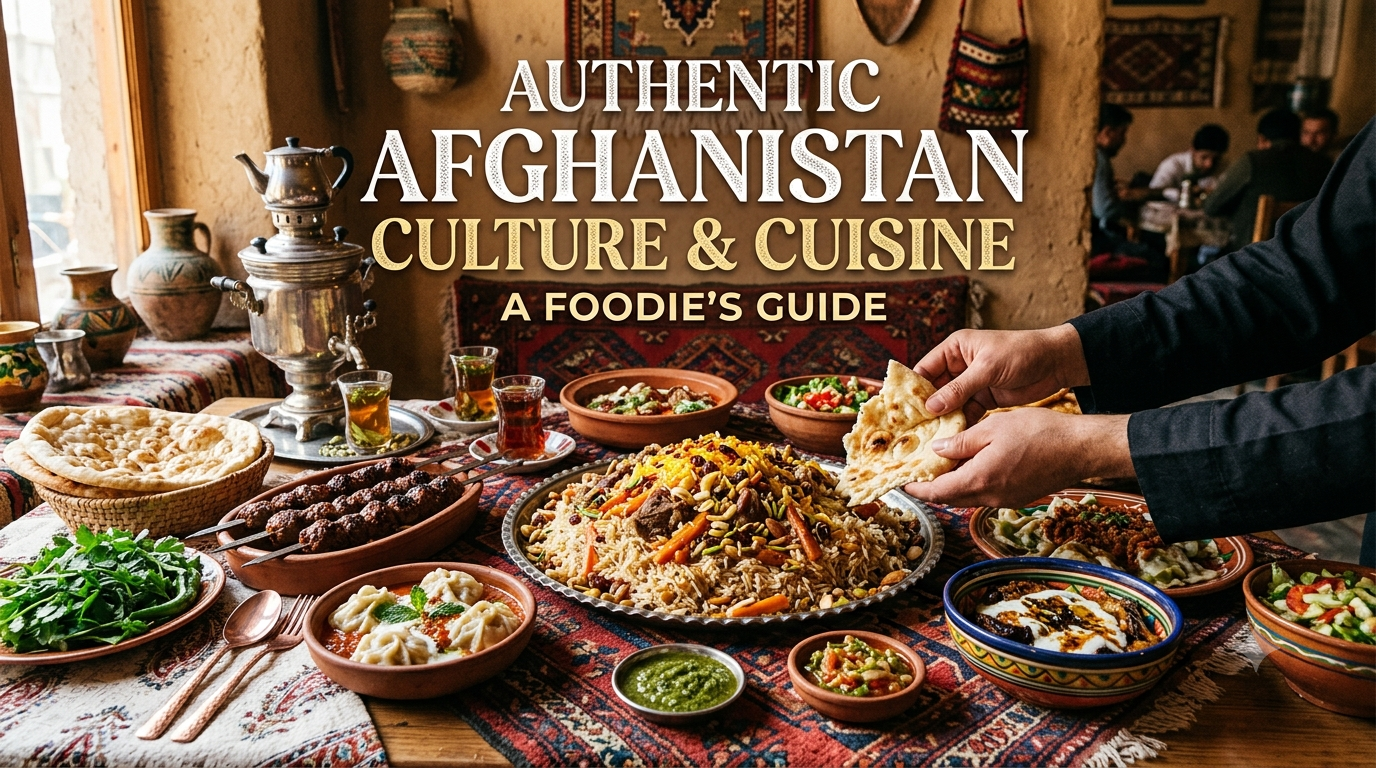
- Kabuli Pulao: Regarded as the undisputed national dish of Afghanistan. It features perfectly steamed basmati rice crowned with tender chunks of lamb or chicken, caramelized carrots, plump raisins, and slivered almonds.
- Mantu: Exquisite, delicate dumplings stuffed with seasoned, spiced minced meat, steamed to perfection, and drizzled with a rich sauce made from strained yogurt (chaka), garlic, and split lentils.
- Naan: Thick, freshly baked flatbread pulled straight from a clay tandoor oven, serving as both a staple food and your primary dining utensil.
Dining Room Etiquette
Meals are typically served on a large, beautifully decorated floor mat known as a dastarkhwan. Everyone gathers around to share food from large, communal platters, reinforcing a deep sense of community and brotherhood.
Always ensure your hands are thoroughly washed before the meal; hosts will routinely bring a traditional basin and pitcher of water directly to you at the dastarkhwan. Remember to eat, pass dishes, and handle food exclusively with your right hand.
6. Dress Code and Public Modesty Guidelines
Public attire in Afghanistan is strictly dictated by cultural conservatism and religious values. Modesty is viewed as a fundamental sign of self-respect and consideration for the local community. While enforcement can be slightly more relaxed in modern sectors of Kabul, strict compliance is essential when entering rural provinces or religious landmarks.
Modesty Guidelines for Men
- The Daily Standard: Wear loose-fitting trousers paired with long or short-sleeved shirts.
- The Pro Tip: Upon arrival, ask your guide to help you purchase a traditional Perahan Tunban (a loose tunic and matching trousers). Not only is it exceptionally comfortable for long road journeys, but it also signals immense cultural respect, immediately putting locals at ease. Short trousers, shorts, and tank tops are inappropriate for public wear.
Modesty Guidelines for Women
- The Daily Standard: International female travelers must wear loose, flowing apparel that completely masks the silhouette of the body. Long-sleeved tunics paired with wide-leg trousers, long skirts, or full-length traditional dresses are excellent choices.
- The Hijab: A wide, opaque headscarf (Hijab) covering the hair and neck must be worn at all times in public spaces.
- Navigating Regulations: Travel mandates can fluctuate. Booking your expedition through a fully compliant handler like Afghanistan On Tour Agency ensures you receive up-to-the-minute updates regarding local attire codes before you pack.
7. Navigating Cultural Festivals and Religious Events
Planning your trip around local holidays offers unparalleled insight into the spiritual and historical soul of the country.
Major Cultural & Religious Celebrations
- Nawruz (March 21): The ancient Persian New Year, signaling the official arrival of spring and agricultural rebirth. Celebrated with music, public gatherings, and specialized treats like Firni (a delicate cardamom rice pudding) and Haft Mewa (a salad of seven dried fruits and nuts).
- Eid al-Fitr & Eid al-Adha: Major Islamic celebrations marked by communal prayers, new clothing, extensive family visits, and city-wide feasting.
- Jashn-e-Melad: A spiritually significant observance celebrating the birth of the Prophet Muhammad, characterized by beautiful communal prayers, recitations of classic religious poetry, and charity acts.
The Sacred Rules of Ramadan
During the holy month of Ramadan, healthy adult Muslims fast from dawn until sunset. Out of respect, foreign travelers must not eat, drink, or smoke openly in public spaces during daylight hours. Keep hydration breaks and snacks confined to your private tour vehicle or hotel room out of sight.
8. Safety, Security, and Logistics Masterclass
Traveling through Afghanistan requires rigorous planning, bureaucratic navigation, and an unwavering commitment to safety protocols.
Essential Security Rules
- Photography Red Lines: Do not photograph security checkpoints, government administrative buildings, military installations, or personnel. Doing so can cause immediate suspicion, equipment confiscation, and lengthy detentions by local security forces. Always get explicit verbal permission before photographing any local individual.
- Avoid Controversial Topics: Steer clear of sensitive debates surrounding politics or geopolitically tense historical events. Keep conversations light, respectful, and focused on culture, landscape, and food.
- Secure Lodging: Stay exclusively in verified accommodations featuring robust security measures, including gated entrances, perimeter controls, and trained security staff.
The Checkpoint & Permit Framework
Independent transit across internal provincial borders is highly restricted. Foreign nationals are required to register their travel paths and possess distinct administrative permits issued by the Ministry of Information and Culture in Kabul, alongside local notifications upon arriving in new provinces.
This is where utilizing a specialized operator is vital. The professional coordinators at Afghanistan On Tour Agency manage all internal security filings, route clearances, checkpoint translations, and official permits seamlessly, allowing you to focus completely on the incredible sights around you.
Frequently Asked Questions (FAQ)
Is Afghanistan safe for foreign tourists right now?
While major active combat zones have diminished, the security environment remains structurally complex and fluid. Traveling with an experienced, well-connected local agency is strongly recommended to safely navigate regional administrative frameworks and changing checkpoint protocols.
How do foreign tourists manage money in Afghanistan? Can I use credit cards?
International banking networks, credit cards, and foreign ATMs do not function anywhere in Afghanistan due to international sanctions. You must bring 100% of your travel budget in clean, uncreased, untorn cash (US Dollars or Euros printed recently are highly preferred). You can safely exchange these for Afghanis (AFN) at primary financial hubs like Kabul’s famous Sarai Shahzada currency market under your guide’s supervision.
Can foreign women travel to Afghanistan?
Yes, foreign female travelers can and do visit the country. However, they must strictly follow Islamic dress requirements (hijab and loose garments) and navigate specific regional rules regarding public spaces. Escorted travel with a reputable handler like Afghanistan On Tour Agency ensures female travelers are looked after with the utmost care, safety, and cultural compliance.
Do I need a visa to enter Afghanistan?
Yes. Most international passport holders require a tourist visa to enter Afghanistan. The government utilizes an official visa submission process for arrivals via Kabul International Airport (KBL), making the initial application path significantly more accessible than in previous decades when coordinated with an official tour invitation.
Final Thoughts: The True Value of Cultural Exchange
An expedition through Afghanistan is far more than a checklist of ancient minarets and rugged mountain passes—it is a profound masterclass in human resilience, timeless hospitality, and cultural depth. By traveling mindfully, dressing appropriately, and respecting the social values of your hosts, your journey will build bridges of understanding, shatter long-standing stereotypes, and create unforgettable memories.
Ready to embark on a safe, legally compliant, and deeply immersive journey into the heart of Central Asia? Connect with the destination specialists at Afghanistan On Tour Agency today to design your bespoke, professionally guided itinerary.