The Culture of Hospitality in Southern Afghanistan: A Traveler’s Guide to Afghan Traditions & Local Customs

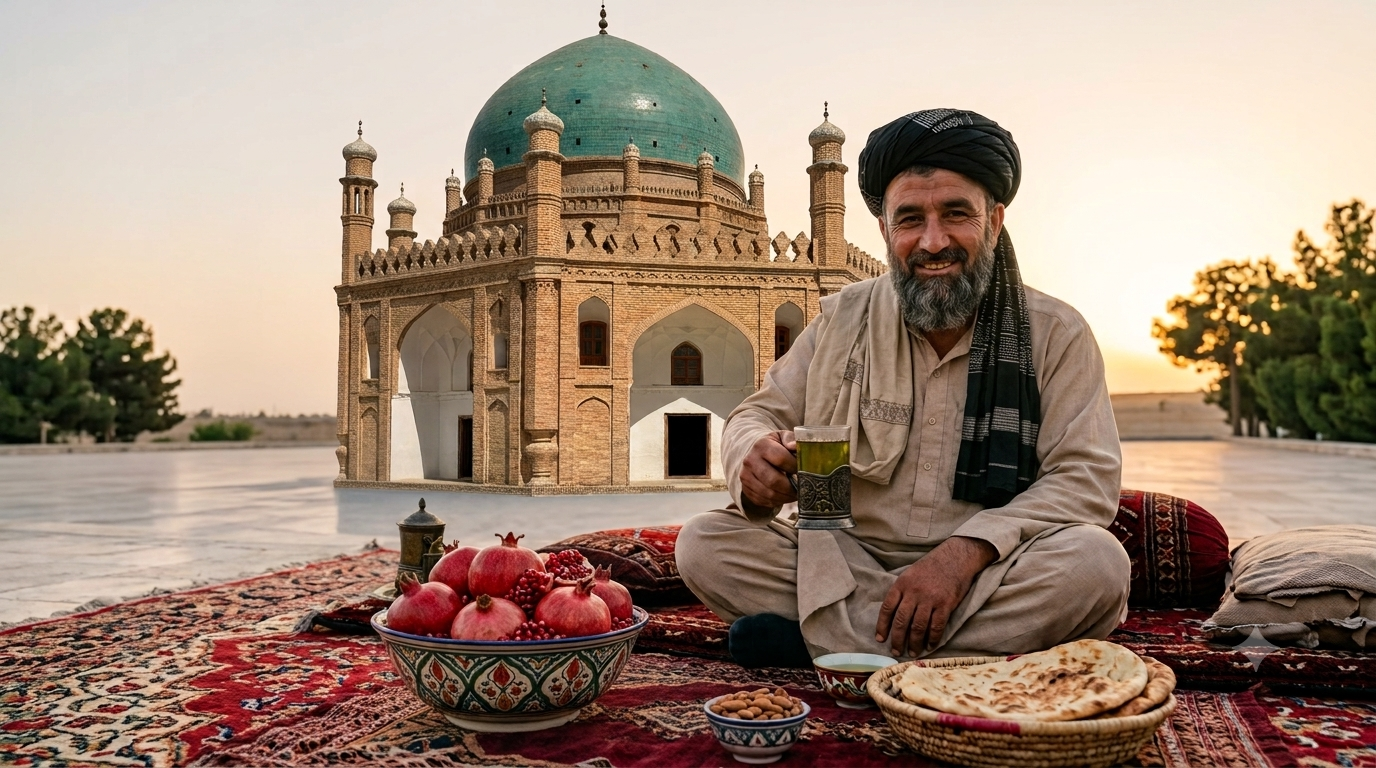
Local Pashtun host offering traditional green tea in front of the historic Ahmad Shah Abdali Mausoleum in Kandahar with Afghanistan On Tour Agency
12th Jul, 2026 9 mins Read

When travelers think of Southern Afghanistan, their minds often drift to the historic city of Kandahar, vast sweeping deserts, ancient trade routes, and centuries of fierce, proud history. Yet, those intrepid adventurers who have actually explored the region consistently report that the true highlight of the journey isn’t the dramatic scenery—it is the local people.

Hospitality in Southern Afghanistan is far more than an ingrained cultural tradition; it is an active, sacred way of life deeply rooted in Afghan values. Whether you are walking through a bustling spice bazaar in Kandahar, sharing tea with a local carpet merchant, or stopping for an impromptu lunch in a rural village along the southern highways, you will quickly experience a level of warmth, generosity, and human respect that has defined Afghan culture for generations.

Navigating this deeply conservative yet extraordinarily rewarding region requires specialized local knowledge. As the leading inbound travel specialist, Afghanistan On Tour Agency has developed this essential cultural guide to help you move safely, respectfully, and authentically through the heart of Southern Afghanistan.

1. Pashtunwali and Melmastia: The Ancient Code of the South

To truly comprehend the nature of southern hospitality, one must understand Pashtunwali—the unwritten, centuries-old ethical and tribal code that governs daily life for the dominant Pashtun population in Southern Afghanistan.

At the absolute center of Pashtunwali stands Melmastia (the sacred law of hospitality). Under Melmastia, welcoming, protecting, and feeding a guest is considered an absolute honor and a binding spiritual responsibility.

  • An Unconditional Blessing: In the local worldview, a guest is considered a profound blessing from God.
  • Equal Protection: Regardless of a traveler’s nationality, religion, language, or background, once you step across the threshold of a southern home or shop, you are entitled to uncompromised protection, care, and the absolute best your host has to offer.
  • Authentic Human Connection: These profound interactions are entirely genuine and represent the authentic, everyday reality of life in the southern provinces.

2. Essential Southern Etiquette: Key Behaviors for Foreigners

Because Southern Afghanistan is traditionally more conservative than western or central regions, following proper etiquette showcases deep cultural intelligence and ensures seamless integration.

Respectful Greetings

  • The Initial Phrase: Always greet locals with the phrase: “Salaam Alaikum” (Peace be upon you). The proper response is: “Wa Alaikum Salaam” (And peace be upon you).
  • Gender Dynamics: Between men, a warm, lingering handshake is the norm. However, physical contact between men and women in public is strictly avoided. When a male traveler meets an Afghan woman (or vice versa), the safest and most respectful approach is to place your right hand over your heart, nod your head slightly, and offer a warm verbal greeting.
  • Honoring Elders: Always greet the oldest person in a room or group first. It is customary to stand up completely when an elder enters the room and to always offer them the premier, most comfortable seat.

Spatial and Social Rules

  • The Right-Hand Rule: In Afghan culture, the left hand is traditionally associated with personal hygiene. Always use your right hand to pass money, hand over documents, offer gifts, or consume food.
  • The Soles of Your Feet: When seated on a carpeted floor, ensure the soles of your shoes or bare feet are never pointed directly toward another person or religious objects, as this is viewed as highly impolite. Tuck your legs under or sit cross-legged.

3. Tea: The Rhythmic Pulse of Afghan Hospitality

In Southern Afghanistan, nearly every human interaction begins with a hot glass of tea (Chai), usually freshly brewed green tea (Shnay Chai) or black tea (Siyah Chai).

  • The Universal Icebreaker: Friends catch up over tea, complex business deals in the bazaar open with tea, and travelers are routinely handed a steaming glass before a single question about their identity is asked.
  • The Ritual of Trust: Sharing tea is about far more than simple refreshment—it is an active vehicle for building immediate trust, exchanging stories, and demonstrating care.
  • The “Finished” Protocol: Your glass will be continuously refilled by an attentive host. If you have reached your limit and cannot drink any more, politely turn your empty glass completely upside down on its saucer. This signals to your host that you are fully satisfied.

4. Sharing Traditional Cuisine in the South

Food serves as the ultimate expression of care and generosity across Kandahar and the neighboring southern territories.

Signature Regional Offerings

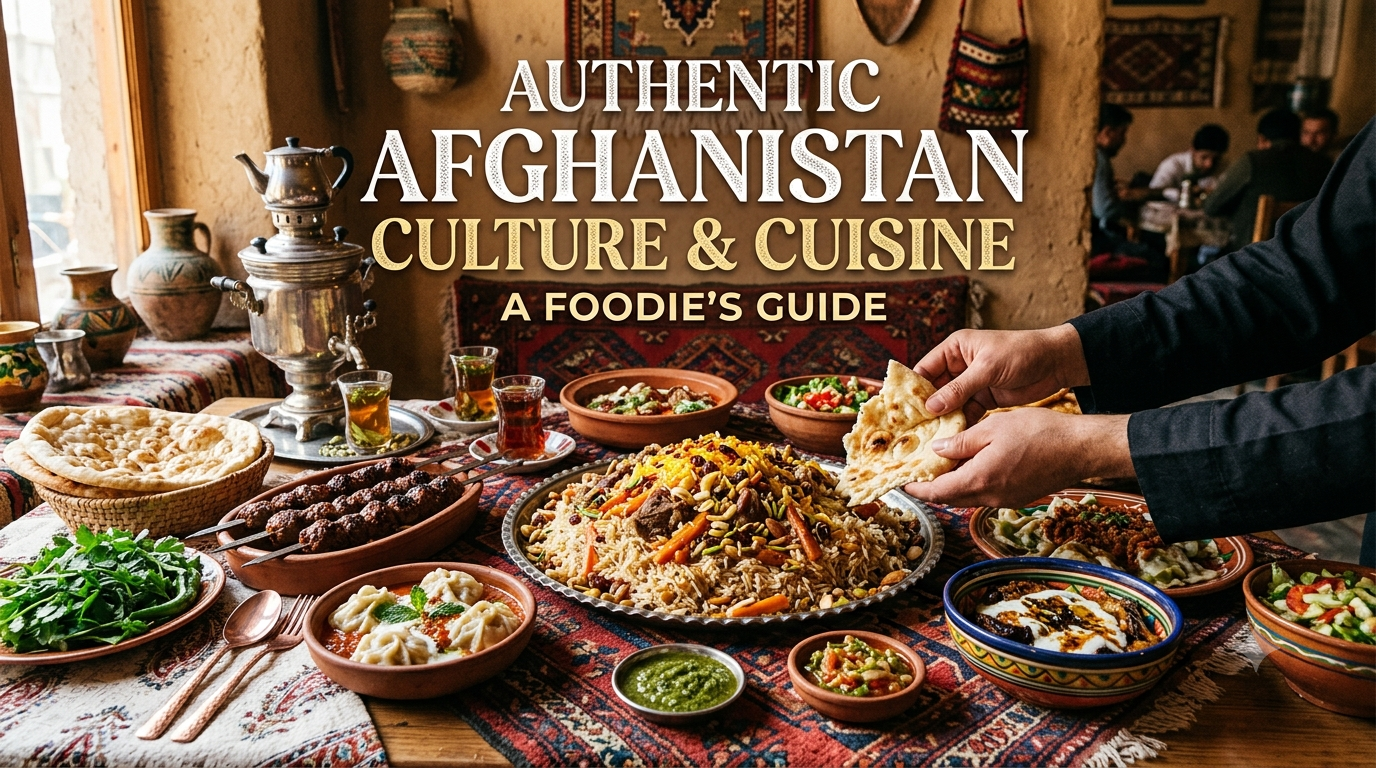
  • Kandahari Pulao: A magnificent variation of the national dish, combining perfectly seasoned basmati rice with exceptionally tender, slow-cooked local lamb, raisins, and carrots.
  • Traditional Qorma & Kebabs: Hearty, aromatic meat stews paired with skewers of perfectly flame-grilled meats, seasoned with local warming spices like cumin, coriander, and black pepper.
  • Tandoori Naan: Massive, fresh flatbreads pulled directly from clay ovens that serve as the foundation of every meal.

Dining Layout & Floor Etiquette

Meals are traditionally served communally on a large cloth spread out across the floor or carpet, known as a dastarkhwan. Everyone gathers tightly around the dastarkhwan to share food directly from massive central platters, cultivating a powerful atmosphere of unity and brotherhood.

Before eating, your hosts will usually bring a traditional water pitcher (aftaba) and basin directly to you so you can wash your hands. Always wait for the guest or the oldest individual to be invited to take the first bite before you begin. Remember to eat, pass dishes, and handle food exclusively with your right hand.

5. Strict Dress Codes and Public Modesty Guidelines

Southern Afghanistan enforces highly traditional Islamic dress and behavior protocols. Adhering closely to these guidelines allows you to travel comfortably, blend in seamlessly, and avoid drawing unnecessary attention from local authorities.

Strict Clothing Standards for Men

  • The Daily Attire: Loose-fitting trousers and long-sleeved shirts are standard. Short trousers, shorts, and tank tops are completely unacceptable in public spaces.
  • The Best Approach: Foreign male travelers are highly encouraged to purchase and wear a local Perahan Tunban (a loose-fitting traditional tunic and matching trousers) upon arrival. This instantly signals profound cultural respect to the community.
  • Facial Hair: In conservative areas like Kandahar, maintaining a neat beard is highly looked upon and helps you fit into local frameworks seamlessly.

Strict Clothing Standards for Women

  • Full Coverage: International female travelers must wear completely loose, non-revealing clothing that masks the body’s silhouette. A long, full-length dress or a heavy tunic paired with wide trousers is required.
  • The Full Hijab: A wide, completely opaque headscarf (Hijab) covering the hair, ears, and neck entirely must be worn at all times in public.
  • Expert Assistance: Navigating changing local rules can be complex for female travelers. Exploring with a compliant agency like Afghanistan On Tour Agency ensures you stay entirely up to date with regional mandates.

6. Safety, Permits, and Logistics Masterclass

Traveling through Southern Afghanistan is an extraordinary privilege, but it demands strict compliance with modern logistical and administrative security protocols.

Absolute Photography Red Lines

  • What Not to Shoot: Do not take photographs or videos of security checkpoints, Taliban personnel, military vehicles, government offices, or critical infrastructure. Doing so can result in immediate equipment confiscation, fines, or detention.
  • Photographing People: Always secure clear verbal permission before taking a photo of a local man. Out of respect for deep-seated gender boundaries, never point a camera at or photograph local women.
  • Prohibited Tech: Drones are strictly banned across Afghanistan unless you possess an explicit, specialized government license. Do not attempt to bring drone gear into the country.

Bureaucracy & The Permit System

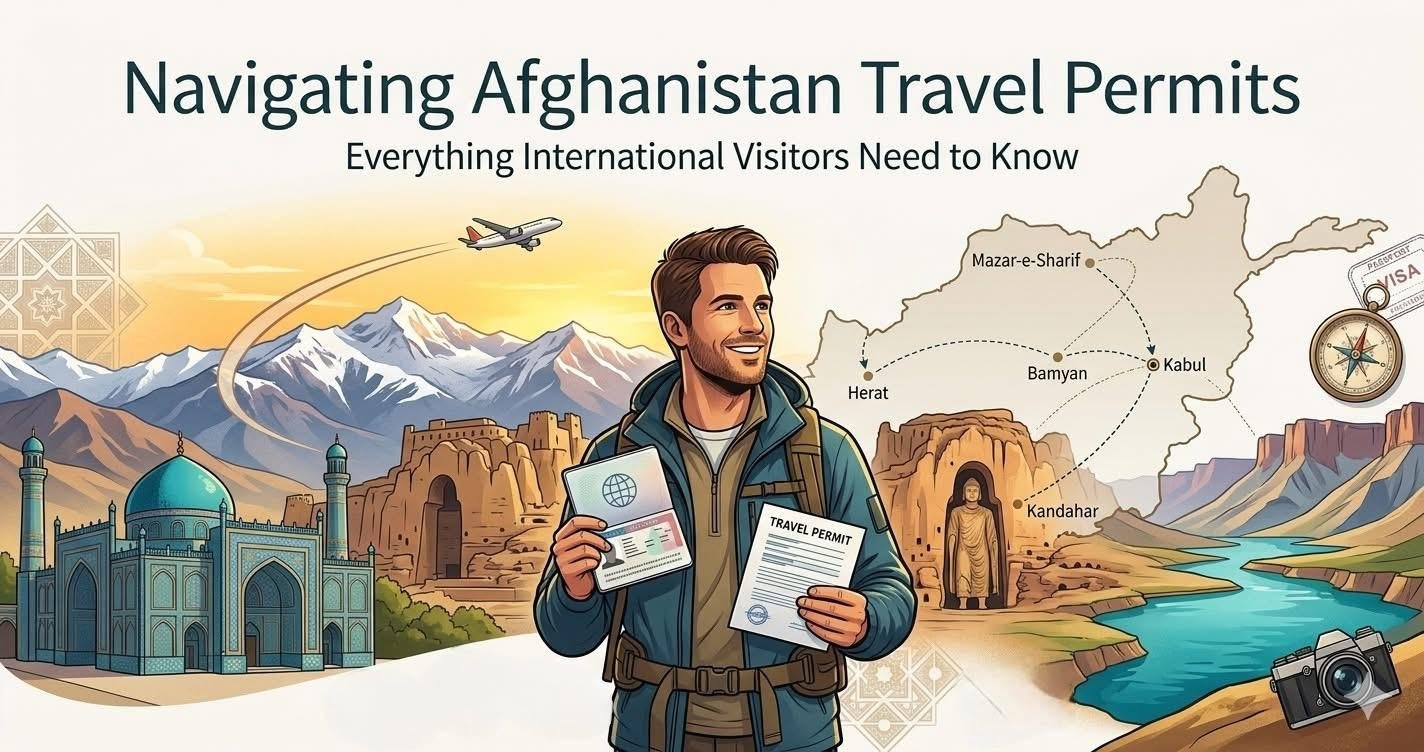
You cannot simply travel overland between provinces independently. All international visitors must officially register with the Ministry of Information and Culture in Kabul to obtain formal travel permits. Furthermore, upon arriving in a new province (especially a highly secured hub like Kandahar), you must immediately register with the local provincial authorities.

When you book your trip with Afghanistan On Tour Agency, our expert team manages 100% of this intricate bureaucracy for you. We secure your official invitation letters, manage your internal provincial permit filings, and clear all highway security checkpoints smoothly, ensuring an uninterrupted, stress-free itinerary.

Financial Realities

  • Cash Only Economy: Due to international banking sanctions, international credit cards, debit cards, and Western ATMs do not work anywhere in the country.
  • Currency Tips: You must carry your entire travel budget in physical cash. Bring immaculate, crisp, untorn US Dollar or Euro bills (printed post-2009). Your local guide will securely help you exchange these for Afghanis (AFN) at trusted markets.

Frequently Asked Questions (FAQ)

Is it safe to travel to Kandahar and Southern Afghanistan right now?

While major active conflict zones have subsided significantly across the country, the security landscape remains highly fluid and complex. The local authorities take the protection of international tourists very seriously, but having a professional, well-connected local guide is the absolute key to ensuring a completely safe and legally compliant journey.

Can foreign women visit Southern Afghanistan?

Yes, international female tourists do visit the south. However, they face much stricter public restrictions and traditional gender boundaries here than in northern hubs. Female travelers must strictly adhere to full Islamic modesty codes (hijab/abaya) and should travel as part of a trusted, organized tour group to ensure maximum safety and smooth travels.

What should I bring as a small gift for an Afghan host?

If you are welcomed into a southern home, bringing a small box of high-quality sweets, fresh local fruits, or mixed nuts from a nearby market is the perfect way to show gratitude. Avoid presenting overly expensive luxury goods, as this can inadvertently cause your host to feel embarrassed or socially indebted.

Do I need a tour guide to explore the southern provinces?

While independent travel is technically possible, attempting to navigate the endless security checkpoints, complex provincial registration rules, and linguistic barriers without an official local guide is highly risky. Utilizing a specialized operator like Afghanistan On Tour Agency guarantees that your permits are pristine, your transport is highly secure, and your cultural experiences are incredibly enriching.

Conclusion: The Powerful Impact of Cultural Exchange

Journeying through Southern Afghanistan offers far more than traditional sightseeing—it is an invitation to engage in profound, authentic cultural exchange. By approaching local communities with a spirit of humility, dressing respectfully, and honoring the time-tested codes of Melmastia, you will shatter deep-seated misconceptions, discover the pure heart of Afghan heritage, and build human connections that endure long after you return home.

Ready to experience the legendary hospitality of Kandahar and the southern provinces safely and professionally? Contact the destination experts at Afghanistan On Tour Agency today to design your tailored, secure, and culturally immersive expedition.
Post a comment

Your email address will not be published. Required fields are marked *